
Malta College of Arts, Science & Technology
MALTA
About MCAST
This university is the country’s leading vocational education and training institution. Six Institutes in Malta and the Gozo Campus, MCAST offers over 190 full-time courses and over 300 part-time vocational courses ranging from certificates to Doctoral level (MQF Level 1 to Level 8). The six MCAST institutes namely the Institute of Applied Sciences, the Institute for the Creative Arts, the Institute of Engineering and Transport, the Institute of Business Management and Commerce, the Institute of Community Services, the Institute of Information and Communication Technology and the Gozo Campus provide all the technical and professional expertise towards the delivery of the program at MCAST. They also maintain the aim of driving forward all the areas of study under their respective responsibility. This corporate structure enables focused strategies, which address the specific needs of students at each level while maintaining a healthy dialogue with all interested stakeholders in order to deliver the best program for the needs of the local economy and society. MCAST mission is to provide universally accessible vocational and professional education and training with an international dimension, responsive to the needs of individuals and the economy. Visit the school page to know more…
Major Courses for Easy Entry
Best advised you choose any course within these major areas of study as it will help prepare you for the job demands in the global market of our world today. See list of courses for Undergraduate and Postgraduate programs if your choice of course is not listed among the selected courses for major entry.
Please note: The information we provide on this school page are mostly for undergraduate and postgraduate programs. There are other programs such as Diploma, Certificate, Advanced diploma, Doctorate and Research programs. Although some similarities occurs in requirements within courses like Diploma, Certificate and Advanced diploma programs, but it is advisable you check the course page on overviews and entry requirements to be more exact. International applicants are encouraged to know the program they want to opt in for and the available courses offered in that program. Visit the school link for list of courses under their specific programs to make your choice.
Undergraduate Programs
 Qualification.jpg)
“The ACCA Qualification is a world-leading accountancy qualification that prepares students to become internationally recognised Chartered Certified Accountants. It is a rewarding and intensive course consisting of 13 examinations, three years of professional experience, and an ethics module. The ACCA Qualification encompasses valuable skills and knowledge that are highly sought after by employers in industry and the financial sector. The ACCA Qualification is equivalent to a degree standard (MQF Level 6) after completing the first nine papers (the Fundamentals level). After passing the remaining four papers (the Professional level), it is equivalent to a master’s degree (MQF Level 7). Learners incur fees payable to ACCA for membership and examinations, as well as MIA (Malta Institute of Accountants) membership.”
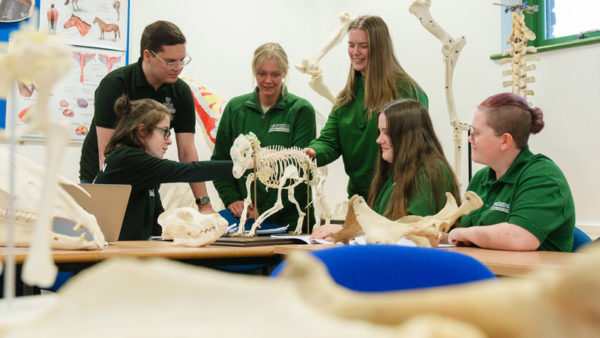
“This Bachelor’s degree aims to provide learners with the opportunity to specialize in the veterinary nursing profession while also studying subjects related to livestock management and animal care. Students will explore various aspects of veterinary nursing across different animal species while practicing clinical skills throughout the duration of the course. The course also covers subjects related to wildlife sciences and the business aspects of animal enterprises. Furthermore, learners will undertake a research project in which they are expected to select a topic for investigation using an established methodology.”

“The degree in Applied Data Science is designed for individuals interested in using data to solve complex challenges across various fields. With a focus on applied methodology, analytical skills, and hands-on experience, students will learn to use advanced analytical tools and techniques to uncover trends and patterns that drive business success. The program covers topics related to software engineering, data organisation, and data analysis using the latest technologies in business intelligence, reporting, machine learning, and big data. In addition, the degree places strong emphasis on text mining and natural language processing (NLP), which are key tools for extracting insights from unstructured data. The program also covers critical thinking, business strategy development, consumer behaviour, computational linguistics, and the laws governing business processes. A work-based component provides students with valuable industry experience. At the end of the program, students will undertake a research component in the form of a dissertation. This degree is ideal for individuals passionate about leveraging technology to drive business performance and make data-driven decisions.”

“This degree provides specialist content that is continuously applied to real-life business and management scenarios. Learners will be prepared to become proficient in various areas, as the course enables students to develop analytical, critical, and research skills across a wide range of business-related fields, including Human Resources, Operations Management, Purchasing, Project Management, and Marketing Management. These are just some of the areas students will cover during their studies. This 360-degree approach gives learners maximum flexibility in the workplace, as graduates will be able to handle a wide range of responsibilities.”

“This undergraduate course offers learners the opportunity to gain a strong foundation in core chemistry concepts and the manufacture of chemical products such as pharmaceuticals, polymers, foods, beverages, and petrochemicals. The knowledge, skills, and competencies acquired provide opportunities for employment in a wide range of manufacturing and processing industries, consulting firms, government, research, and educational institutions. The course exposes learners to the development and design of chemical processes at different scales and creates a bridge between science and manufacturing by applying principles of chemistry and engineering to solve problems related to the production and use of chemicals. The program also provides opportunities for learners to develop higher-level skills in a scientific and technological context.”

“This program is aimed at students who wish to pursue careers in Civil and Structural Engineering. The three-year Bachelor’s course provides learners with the knowledge, skills, and competencies required in various fields of the profession to a rigorous standard. Key study areas include design principles, mathematics, physics, material science, and structural analysis. The program has been designed to fulfil the MEng admission requirements of the University of Malta, in line with regulations applicable at the time of publication of this prospectus.”
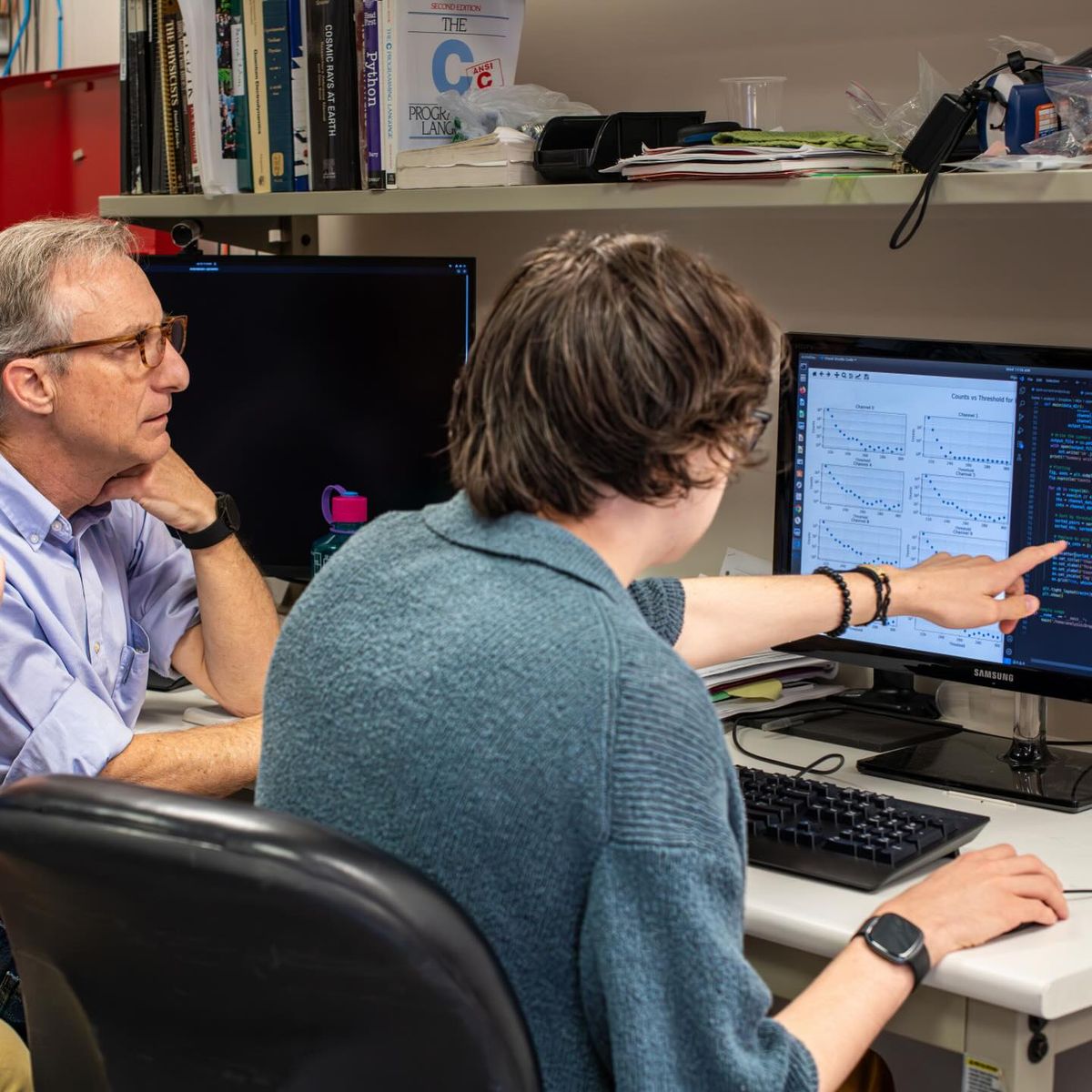
“Computer systems and networks are a rapidly growing area in today’s business environment, driven by strong demand for highly skilled technical professionals capable of developing innovative solutions to complex IT and networking challenges. This hands-on degree program is designed for learners who wish to pursue careers in computer systems and networks. Students will be exposed to enterprise network technologies, data centre operations, service provider networks, information security, virtualization, DevOps, and cloud computing technologies. Emerging technologies will also be explored to prepare learners for real-world industry applications. A practical, hands-on approach is adopted throughout the course. This course does not entitle successful candidates to apply for an engineering warrant with the Engineering Profession Board of Malta upon completion.”
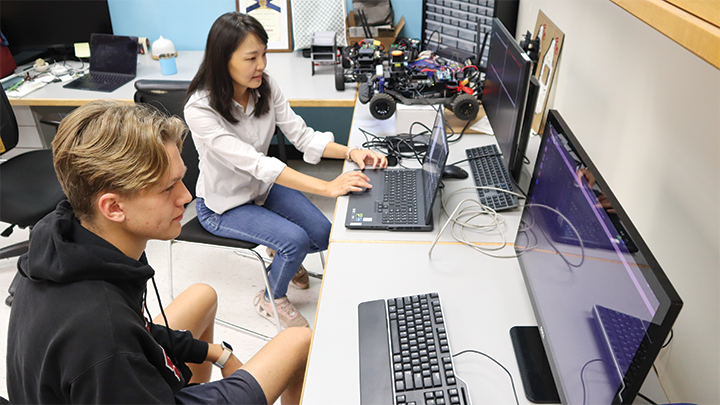
“The Cybersecurity degree is a three-year program that provides students with a comprehensive understanding of the concepts, techniques, and tools required to secure software applications, computer systems, and networks. Students will develop proficiency in open-source operating systems, network security, database programming, digital forensics, and offensive security, as well as practical skills in mitigating cyber threats. The program includes a work-based component, allowing students to apply their skills alongside experienced cybersecurity professionals. Additionally, the program has a research component in which students undertake a dissertation. This applied research draws on the skills and knowledge gained throughout the course to explore a specific area of cybersecurity in depth.”

“This degree program aims to develop learners into qualified engineers who are academically prepared and practically trained to meet the requirements of the local electronics industry. Electronics remains a highly relevant and rapidly evolving technological field that plays a crucial role in modern life, particularly in computers and communications. The course exposes learners to modern technologies and provides a balanced mix of theoretical knowledge and practical skills. Engineering is a high-demand, versatile, and rewarding career path. Lectures adopt both theoretical and hands-on approaches.”
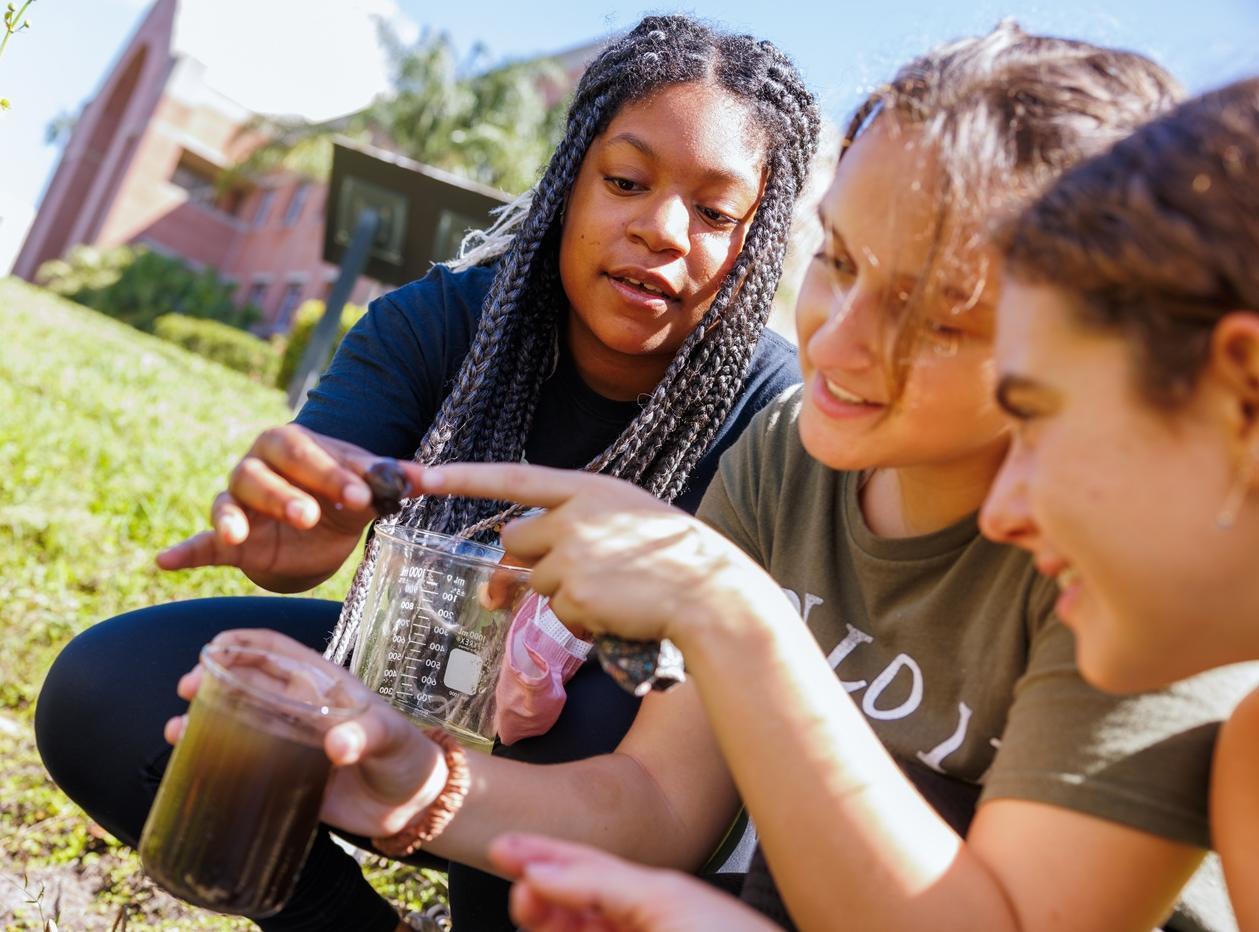
“The protection of natural resources, CO₂ emissions, climate change, and demographic changes are increasingly important topics locally and globally. This program combines classical engineering with natural sciences. Environmental Engineering Sciences and Sustainable Technologies focus on engineering solutions for future environmental challenges. The course equips learners with problem-solving skills to address ecological and technical challenges and develop sustainable solutions. It is a technically oriented program offering broad application areas. Graduates may work in planning, construction, operation of environmental technologies, research, teaching, environmental organizations, administration, and consultancy.”

“This degree targets one of Malta’s strongest economic sectors and provides learners with detailed insights into financial services. The industry offers diverse career opportunities ranging from Risk Management to Fund Administration and Wealth Management. In addition to technical knowledge, learners develop analytical, critical, and research skills required in this demanding industry. Graduates are well positioned for employment across multiple sectors within financial services.”
.webp)
“This degree program prepares learners with the competencies required for measuring and imaging the human body’s physiological activity. Professionals in this field work alongside healthcare practitioners to provide diagnostic information essential for medical treatment. The three-year program equips learners with knowledge, clinical training, and skills necessary to qualify as healthcare science practitioners in clinical physiology.”

“The journalism field offers exciting career opportunities for individuals eager to learn and contribute to society. Journalism is a vocation that exposes learners to diverse experiences and perspectives. Students will learn to analyze and report events that shape society and the world. They will design, develop, and produce news content using modern audio-visual technologies and explore various media formats, including print, radio, television, and online platforms. Throughout the program, learners will apply theoretical knowledge to real-life journalism projects, working both independently and in teams.”
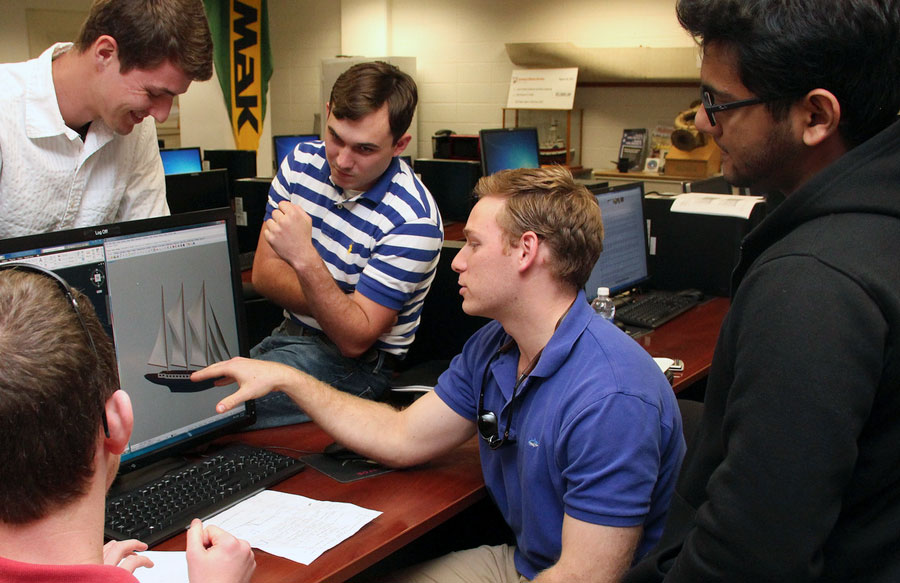
“This degree program focuses on the construction, operation, and maintenance of engines and machinery in ships and marine installations. Learners will explore both established and emerging technologies while applying theoretical and practical methods to solve marine engineering problems. Students will develop skills necessary for technical leadership and commercial management in complex maritime environments.”

“This Mechanical Engineering degree program provides learners with a solid understanding of relevant engineering fundamentals and prepares them for a broad range of career opportunities in the manufacturing field. This field is becoming increasingly high-tech. The program is structured around studies that develop in learners a strong understanding of the principles and disciplines required for the modelling, measurement, analysis, and design of mechanical components and systems. Upon completion of the course, graduates are expected to demonstrate that they have acquired the professional skills necessary for formulating and executing engineering projects. The course also provides training in teamwork and effective communication skills.”

“The Bachelor of Science (Hons) Nursing program prepares learners with the necessary competencies and qualifications required to register as first-level nurses both in Malta and in all EU member states. This entails the provision of safe and effective care delivered in an evidence-based and holistic manner to patients and their significant others. Learners will complete a minimum of 4,600 hours over a three-year period, as stipulated by EU Directive 2005/36/EC. These are divided into 2,300 theoretical hours and 2,300 practice hours, most of which are carried out in clinical placements and supervised by qualified nurse mentors. Learners will be equipped with an evidence-based skill set and soft skills that enable them to practice independently. Learners must complete all required hours and pass all theoretical and practical units to be eligible to apply for registration with the Nursing and Midwifery Council of Malta. This course is recognized across all EU member states. Applicants will be subject to a values-based interview, followed by the submission of an occupational health-screening certificate and a clean police conduct certificate. These documents will establish the suitability of applicants for Nursing and contribute to the final selection of course participants.”

“The Social Care sector provides a number of professional career opportunities for successful learners to find engaging and rewarding employment at the end of this program of studies. Throughout the duration of the three-year course, undergraduates are given the opportunity to participate in work placement experiences in related settings, once every year, to observe and learn different care practices and management styles. This program of studies includes varied modules aimed at enhancing the undergraduates’ knowledge in different social fields as well as skills and competencies in administration and management. Study units include Family Studies, Gender and Sexual diversity, European and Social Policy, Financial aspects and Quality assurance, and different units related to Management.”

“The MCAST BA (Hons) in Social Work aims to nurture social workers with the knowledge, attitudes, and skills required to fulfil this professional role to the highest standards. The degree takes four years to complete and is based on hands-on, work-based learning. During their work experience, educators and employers support students in linking the world of employment with theoretical knowledge related to the role of social workers. The degree leads to a career in social work, a profession that supports individuals and families in addressing various social issues, such as accessing services and providing support in schools, hospitals, or correctional facilities. Social work also involves large-scale interventions through research, work with non-governmental organizations, and policy-making. The degree welcomes applicants from the MCAST Advanced Diploma in Social Care, as well as learners from post-secondary education who have obtained the MATSEC level, and individuals who have been working in social care and wish to further develop their skills. To progress to the second year of the course, students must successfully complete specific units.”

“The degree in Software Development is designed to prepare learners to work in the application development and engineering industry and explores the skills required for designing IT enterprise solutions, building robust back-end systems, and solving complex problems using the latest paradigms and modern technologies. The program covers aspects related to software engineering, front-end and back-end technologies, data organization, persistence and analysis, software development for portable devices, and software quality aspects such as security and testing. Modern trends such as Cloud, DevOps, Block-chain, Machine Learning, and Computer Vision are also explored. The degree includes work placements that allow students to gain industry experience and work in a professional environment. At the end of the degree, students complete their studies with a research dissertation in an area of interest. The course is intended for individuals who are keen on solving problems through technology and who wish to pursue an exciting career in one of the fundamental pillars of the economy.”
Postgraduate Programs
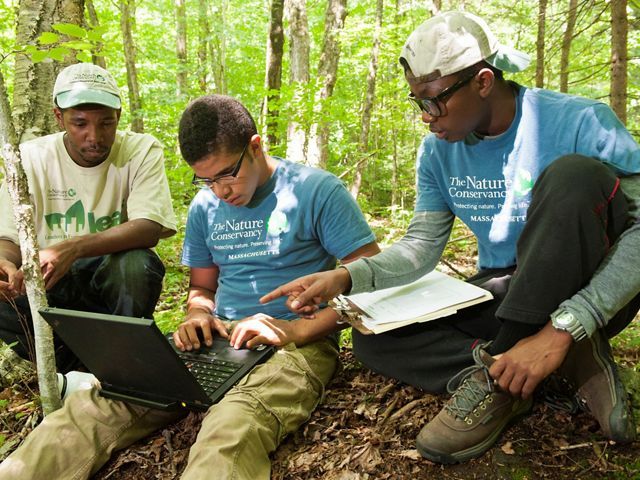
“The Master of Science in Applied Environmental Science takes an interdisciplinary approach to investigating the processes that control the Earth and its environment. The program delivers the knowledge and skills required to seize opportunities presented by developments in areas such as global cycles, biogeochemistry, sustainable technologies, waste and water treatment, environmental pollution assessment and remediation, and natural hazards. Students are exposed to a wide range of environmental issues, with topics related to the analysis, understanding, and management of human–environment systems through the exploration of system analysis and ecosystem theory. By examining human–environment interactions, including land-use conflicts between agriculture, environmental protection, urban expansion, water management, and tourism, students learn to link advanced methods of system analysis and ecological modelling with modern natural resource management techniques. Issues related to the relationship between material and energy resources, the environment, and sustainable development are recurring themes in this program.”

“The implementation of Artificial Intelligence (AI) across industries influences sectors such as manufacturing, the public sector, education, and many others. The MCAST Master of Science in AI Technologies and Applications focuses on the knowledge required to solve business challenges and gain competitive advantage through AI technologies. The program provides both theoretical and practical knowledge to implement AI solutions across industries. Graduates will gain proficiency in the fundamentals of AI, machine learning, neural networks, social implications, ethics, regulation, and business analysis. The program is taught by industry experts and leading academics actively engaged in their respective fields.”

“The Master of Business Administration in Retail focuses on the learning and practical application of concepts essential for operating and marketing a retail business. The program develops an understanding of the contemporary retail environment and examines key issues in retail management and marketing. It strengthens analytical skills required to operate in an international retail environment and emphasises the practical application of knowledge. The program is structured to reflect the dynamics of modern retail business and is delivered by industry experts and experienced academics.”

“The Master of Science in Computing and Emerging Technologies equips students with essential skills in advanced ICT domains, including Information Systems, Cloud Computing, Data Science, Business Intelligence, and emerging technologies such as Artificial Intelligence. The program prepares students to apply contemporary technologies to solve business challenges, gain competitive advantage, and develop innovative ideas. A key component of the program is the research element, which exposes students to theoretical and practical applications of emerging technologies. The program also equips learners with skills to undertake independent research. This postgraduate degree provides professionals from diverse industries with opportunities to transition into the ICT sector or enhance their existing careers.”

“This postgraduate program focuses on the relationship between creative media production and strategic media enterprise. The program is designed to enable learners to develop their own creative media enterprise ideas and bring them to reality. Students engage in creative media practice while developing a strong theoretical understanding of creative and cultural industries. They learn about creative and cultural policies, intellectual property implications, and best practices for establishing and managing creative media businesses. The program prepares learners to launch or manage creative media enterprises.”
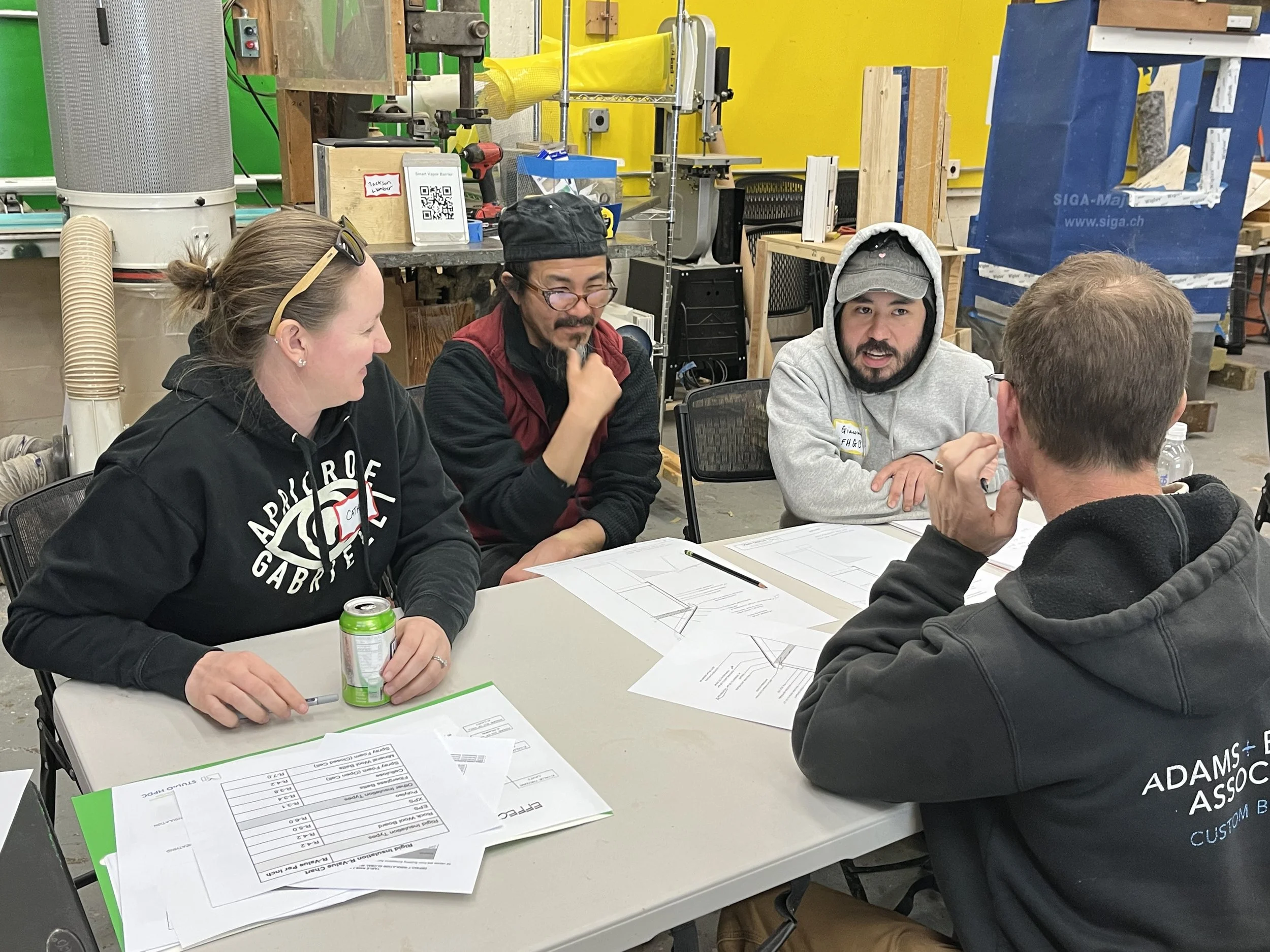
“The Master of Science in High Performance Buildings (HPB) enables students to develop optimized building concepts by integrating holistic design methodologies, building physics, climatology, energy efficiency, environmental systems, building services, aerodynamics, thermal and fluid dynamics simulations, lighting design, and green urban modelling. The program develops advanced skills in building physics and architectural design, preparing graduates for professional practice and research at national and international levels.”
“The Master of Science in Mechanical Engineering and Sustainable Technology is a technically advanced program designed to promote higher-level thinking in engineering, with a focus on low-carbon and renewable energy systems. Learners acquire broad engineering skills that enable them to work in senior technical or project management roles within industry. The program also provides a foundation for further studies and careers in engineering-related fields, combining advanced theoretical and practical learning.”

“The Master of Science in Mechatronics provides students with comprehensive knowledge and skills in automation, production process control, and mechatronic systems. The program covers network technologies such as Ethernet, Profinet, Modbus, Profibus, and Devicenet, as well as the development of SCADA systems. Students learn to apply theoretical principles of robotics, mechatronics, and microcontroller technologies to practical applications, with strong emphasis on real-time systems and industrial automation.”

“The Master of Science in Professional Health Practice is a multidisciplinary program designed for practitioners aspiring to work at advanced levels of professional practice. It equips students with knowledge, skills, and professional values required for autonomous decision-making in complex clinical environments. The program is suitable for professionals from regulated healthcare fields such as nursing, pharmacy, radiography, physiotherapy, paramedics, and occupational therapy. Students benefit from an interdisciplinary learning environment that enhances holistic clinical practice.”

“This program targets professionals with experience in social care or those seeking to enter the field. It builds on existing professional knowledge and develops specialised skills for delivering high-quality care across the social care sector. The program aims to enhance professional and transferable skills, improving service delivery and outcomes for vulnerable individuals and communities.”

“This veterinary degree is a five-year program that integrates theoretical and practical learning, consisting of a foundation phase (first and second years) and a clinical phase (third to fifth years). During the foundation phase, students learn the normal functions of the animal body from cellular to systemic levels, alongside animal handling and professional skills. During the clinical phase, students study the diagnosis and treatment of medical and surgical conditions in companion, equine, and farm animals, as well as veterinary public health and pharmacology.”