
Why Switzerland?
Switzerland is a landlocked country in Central Europe known for its strong economy, political neutrality, high standard of living, and beautiful Alpine landscape. Although it is not a member of the European Union, it maintains close economic ties with the EU. Switzerland has four official languages: German, French, Italian, and Romansh. Due to its strong economy and high salaries, Switzerland attracts immigrants from around the world, including many Nigerians, Ghanaians and other Africans seeking better employment, education, and quality of life. However, immigration to Switzerland is highly regulated, especially for non-EU nationals.
SWITZERLAND VISA APPLICATION
To apply for a visa application in Switzerland, one must first have a purpose for seeking a VISA to enter the country. Secondly you need to have a good knowledge of the country, its benefits and disadvantages towards immigrants from Nigeria, Ghana and other African countries. Thereby knowing what to expect as an African immigrant in Switzerland and if satisfied with the expectations take the necessary steps to apply for the right VISA. There are various reasons for one to migrate into Switzerland which are; Study, Tourist, Visiting, Work or other immigration purposes as the case may be, D-RED EMPIRE have provided you with all you need for a successful visa application into Switzerland; the visa requirements, guides on how to process your application from start to finish, Visa Centre Nigeria/Ghana, Visa forms and other visa supports.
Benefits of African Immigrants in Switzerland
Education and Study Opportunities
- World-Class Universities: Switzerland is home to globally respected universities and research institutions. Swiss degrees are internationally recognized.
- Strong Research and Innovation: The country invests heavily in research and innovation, especially in science, engineering, and medicine.
- Safe and Structured Learning Environment: Students benefit from a stable and organized academic system.
Employment Opportunities for Africans in Switzerland
- Strong Economy and High Salaries: Switzerland has one of the highest average salaries in Europe. Key industries include:
- Banking and finance
- Pharmaceuticals
- Engineering
- Hospitality and tourism
- Healthcare
- IT and technology
For highly skilled Africans (for example, in IT, medicine, engineering, or finance), Switzerland can offer very competitive salaries and strong worker protections.
- Worker Protection and Labour Rights: Swiss labor laws protect employees through:
- Regulated working hours
- Paid leave
- Social security benefits
- Health insurance systems
- Skilled Worker Demand: There is demand for highly qualified professionals in sectors like healthcare, research, and technology.
Living Expenses and Lifestyle
- High Quality of Life: Switzerland consistently ranks among the top countries globally for:
- Safety
- Clean environment
- Efficient public transport
- Healthcare quality
- Political Stability: Switzerland has a long history of neutrality and political stability, making it a secure environment for families and professionals.
- Strong Healthcare System: Switzerland has one of the best healthcare systems in the world, though it is mandatory and privately funded.
Disadvantages of African Immigrants in Switzerland
Education and Study Opportunities
- High Living Costs for Students: Although tuition fees in Switzerland can be moderate compared to the UK or USA, living costs are very high.
- Language Requirements: Some programs require German or French proficiency, depending on the region.
- Limited Work Opportunities for Non-EU students: Work hours may be restricted, and competition for part-time jobs can be intense.
Employment Opportunities for Africans in Switzerland
- Strict Immigration Rules: For non-EU nationals (including most Africans), Switzerland has strict work permit quotas. Employers must prove that:
- No Swiss or EU citizen can fill the position
- The immigrant has special skills or qualifications
- Recognition of Qualification: Foreign degrees may not always be automatically recognized. Some professionals must complete additional certifications.
- Language Barriers: Unlike Malta, Switzerland does not have English as an official language. Depending on the region, immigrants may need to learn:
- German (most common)
- French
- Italian
Living Expenses and Lifestyle
- Extremely High Cost of Living: Switzerland is one of the most expensive countries in the world. Costs include:
- Rent (very high in cities)
- Groceries
- Health insurance (mandatory and costly)
- Transportation
- Expensive Housing: Finding accommodation can be competitive and expensive, especially in major cities like Zurich and Geneva.
- Mandatory Health Insurance: Everyone must purchase private health insurance, which can be expensive for newcomers.
Challenges Specifically for African Immigrants
- Immigration Restrictions: Switzerland prioritises EU/EFTA nationals. Africans fall under third-country national rules, which are stricter.
- Possible Social Barriers: Although Switzerland is multicultural, some African immigrants may face:
- Cultural adjustment challenges
- Social exclusion
- Racial discrimination in certain situations
- Integration Requirements: Integration policies may require:
- Language learning
- Cultural adaptation
- Participation in integration programs
What Attracts Africans to Switzerland?
- Very high salaries
- Strong and stable economy
- Safe environment
- High-quality healthcare
- Internationally respected education
- Beautiful natural environment
- Opportunity for professional growth
GENERAL VISA REQUIREMENTS FOR SWITZERLAND
✔ Documents indicating your purpose for a visa application such as;
- Study Permit: 2 photocopies + Original document of Admission Letter(s), Receipt of payment for tuition deposit and any other supporting document from the school that’s required by the embassy.
- Work Permit: Job employment offer letter(s) from the company or firm that’s recognized by the immigration government for issuing foreign jobs.
- Visiting: Invitation letter from an invite who’s a citizen or permanent resident.
- Tourist/Vacations: Most times immigrants going into Switzerland for tourist, vacation or business, only needs document to show that they have a reservation with the tourist center, leisure sites or conference meeting areas that’s recognized by the immigration government for such activities.
- Fully filled-in Visa application form(s) signed by the applicant (Please note that form differs based on your period of stay, either a short stay of less than 90 days or a long stay of more than 90 days). [Visa Form-type D] for stays more than 90 days.
- Passport: Passport must have a validity of 6 months with at least two blank visa pages, please additionally submit all previous passport either valid or canceled (if applicable) and stamped pages if you have travel history. [Scan the bio data page and print out 2 copies + Original passport document]
- 4 Passport photographs in color according to [ICAO Standards].
- Diplomas and Certificates (if applicable) Original + 2 photocopies
- Curriculum Vitae/Resume Original + 2 copies
- Motivational Letter: Stating the objectives of the purpose of your travel signed and dated (Original +1 copy)
- Written Commitment to leave Switzerland after period of stay signed and dated. Original + 1 copy. [Support with documents to show your home ties like; Investment statements, assets worth good values that appreciates &/or property ownership documents.]
- Proof of Financial Means: Original bank statement for the last 6 months, stamped & signed by the bank, bank certificate (mybankstatement) and a reference letter from the bank etc. Account should show adequate funds to support the applicant’s stay in Switzerland. The funds must amount to at least 75% of the national minimum wage of Switzerland for every month of stay to a tune of 10 to 12 months if you intend to stay longer than one year. For better understanding, know the total amount needed for living cost based on your purpose of stay and any added expenses for the duration of your stay if longer than 90 to 180 days. If more than a year like those going to study or work, you need to show a more substantial minimum amount, typically around CHF 23,000. Do well to show enough funds that will take care of all costs at least for one year.
- If the applicant will be sponsored the following documents are also required;
- Sponsor’s Original Bank Statement (last 6 months) stamped and signed by the bank and other bank supporting documents such as; bank certificate (mybankstatement) and a reference letter from the bank etc. (Original + 2 copies)
- Signed Declaration/Sponsorship letter from sponsor with date (Original + 2 copies)
- Document(s) to proof your relationship with your sponsor (Original + 2 copies) lease note affidavits are not accepted
- Sponsor’s proof of source of income and other business supporting documents (Original + 2 copies)
- Copy of sponsor’s identification card (front and back) or passport bio page. (Original + 2 copies)
- Proof of Language Skills: Such as TOEFL, IELTS, DUO or Goethe Certificates in German, French or Italian.
- Medical and Travel Insurance: (Contact us if you need help with getting a health insurance)
- Prospective flight tickets: (show funds available for flight fees if visa is approved)
- Proof of prospective accommodation: Show proof of available accommodation arrangements, reservations or resident rental documents in your name indicating address and duration of stay (at least first 14 nights from date of arrival in Switzerland).
- In case of minors the following documents are also required:
- Birth certificate (Original +1 copy)
- A copy of parents/guardian passport bio data page(s)
- Parents/Guardian consent letter dated and signed (original copy)
- Submission and Application: As soon as you have the complete required documents for the exact visa you’re applying for, well sorted, up to date, and accurate you are encouraged to visit the Switzerland visa consulate center in your region to book an appointment for submission and application. If you are applying for a short term visa of 90 to 180 days click here to apply online from Nigeria or Ghana, but if you are applying for a longer stay of more than 180 days, your application must be in person at the Visa Consulate Center in your region. If you’re applying from Nigeria, Chad or Niger, kindly contact the Nigerian Visa centre in Abuja to make arrangements and book an appointment for your application or Ghana Visa centre in Accra if you’re applying from Ghana, Togo, or Sierra Leone.
- Visa Application Fees: To be settled by credit/visa card or the exact Euros equivalent in your local currency in cash (if required) using the required exchange rate as of the time of payment at the visa immigration center.
- 0-6 years: Free
- 6-12 years: €40 for Ghanaian €50 for Nigerian
- 12 years upwards: €80 for Ghanaian €100± for Nigerian
With the help of the Visa Consulate in your center after application is completed and ready for submission, the application will be forwarded to the competent cantonal authorities in Switzerland for a decision. The responsible representation can only issue the visa after approval by the competent authorities. The total processing time is approximately 8-12 weeks. This time is an approximation only and may vary considerably depending on the canton responsible and the elements of the application. Do well to provide a valid email address that you have access to for easy communication.
The responsible representation does not provide information during the procedure. Therefore, please contact the cantonal migration authority responsible for your place of residence.
All documents must be legal, non-fraudulent, verifiable, accessible, well arranged, up to date and complete to avoid application delays, denials or bans (in the case of fraudulent/criminal act) by the Canton officer of Switzerland immigration government responsible for applications from your current residence.
Conclusion
Switzerland offers significant opportunities for highly skilled African immigrants, particularly in professional and academic sectors. However, strict immigration policies, high living expenses, and language barriers make it challenging for low-skilled migrants. Success in Switzerland requires strong qualifications, financial preparation, and willingness to integrate linguistically and culturally.
For Africans considering migration, Switzerland is best suited for highly educated professionals or students with strong academic backgrounds and financial support. Kindly contact us if you need help with your visa application.
SCHOOLS OPEN FOR ADMISSION IN SWITZERLAND
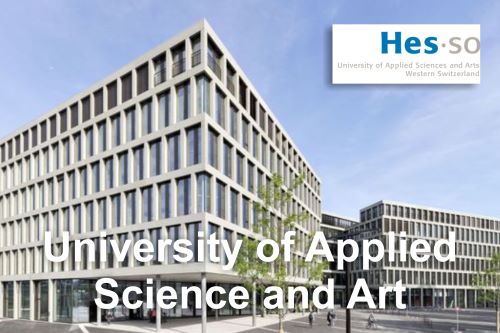
University of Applied Science and art Western Switzerland
SWITZERLAND
The HES-SO University of Applied Science and Art of Western Switzerland comprises of 28 institutions of higher education. Its various study streams and research activities fall into six faculties:..
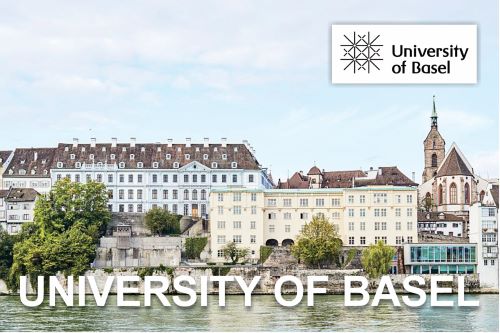
University of Basel
SWITZERLAND
The University of Basel has an international reputation of outstanding achievements in research and teaching. Founded in 1460, the University of Basel is the oldest university in Switzerland and has a..
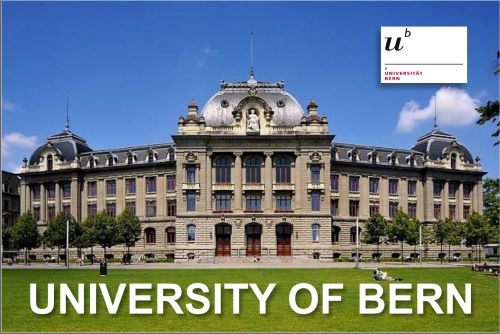
University of Bern
SWITZERLAND
Creating scientific, social and economic value – the University is committed to this in all its activities.

ETH Zurich
SWITZERLAND
Founded in 1855 under the name “Polytechnikum,” ETH Zurich has been a national educational institution with international appeal from the outset, attracting talent from...
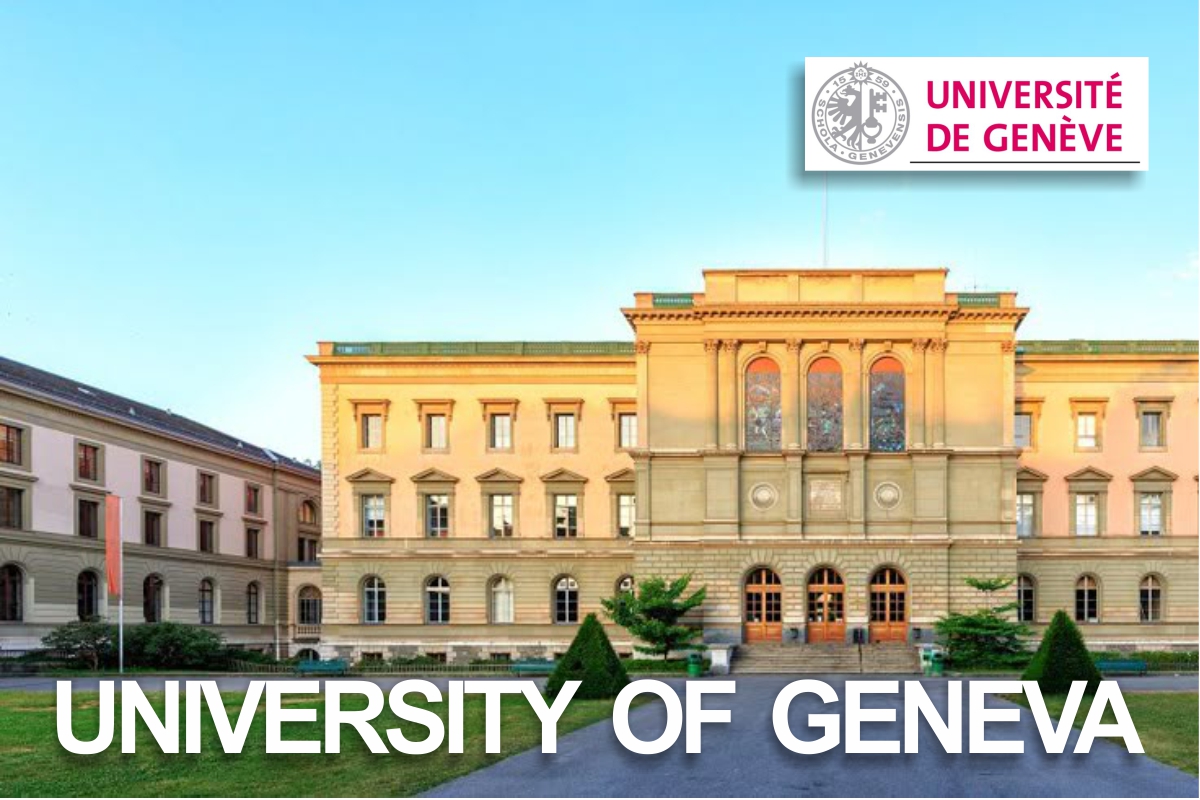
University of Geneva
SWITZERLAND
Founded in 1559, the University of Geneva enjoys worldwide recognition and ranks among the top 100 best universities in the world.
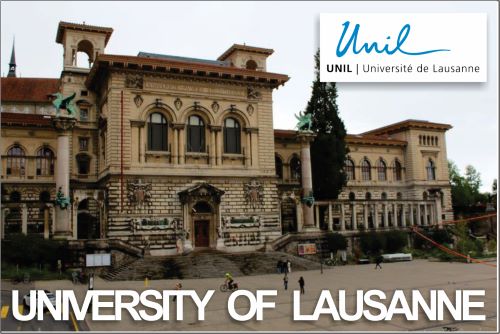
University of Lausanne
SWITZERLAND
For its students, lifelong learners, and society in general, UNIL strives to be accessible to all, to provide quality training in an open and secure environment. It intends to...
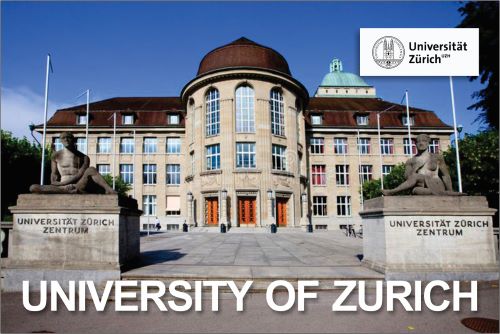
University of Zurich
SWITZERLAND
With more than 27,000 students, the University of Zurich is Switzerland's largest university. Founded in the year 1833, UZH was Europe's first university to...