
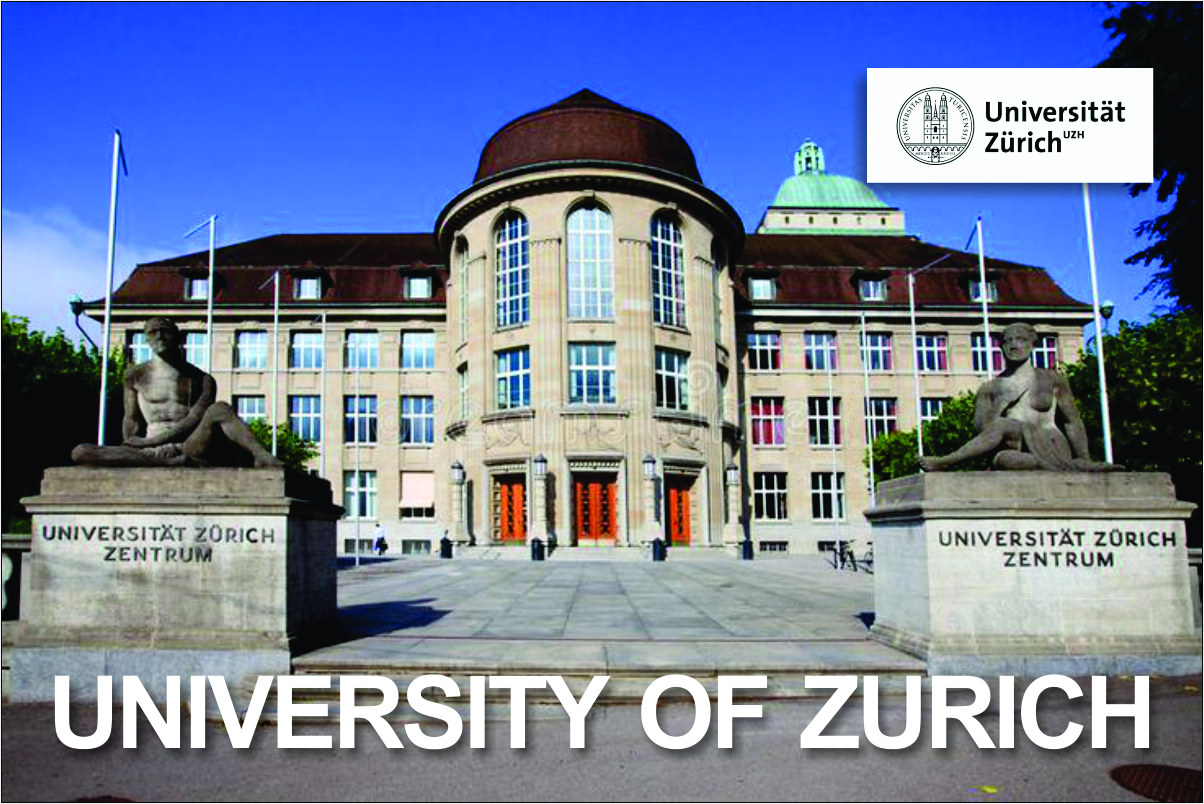
UNIVERSITY OF ZURICH
SWITZERLAND
About University of Zurich
With more than 27,000 students, the University of Zurich is Switzerland's largest university. Founded in the year 1833, UZH was Europe's first university to be established by a democratic political system. Made up of seven faculties covering some 100 different subject areas, the University offers a wide variety of Bachelor's, Master's and PhD programs. Visit school page to know more…
Major Courses for Easy Entry
Best advised you choose any course within these major areas of study as it will help prepare you for the job demands in the global market of our world today. See list of courses for Undergraduate and Graduate programs.
Undergraduate Programs

“The Astronomy and Astrobiology minor program (30 or 60 ECTS credits) offers students a broad education in the fascinating topics of our universe and the life within it. Astronomy and Astrobiology is an interdisciplinary study program that explores the origin and nature of life on Earth and the possibility of life in the wider universe.”
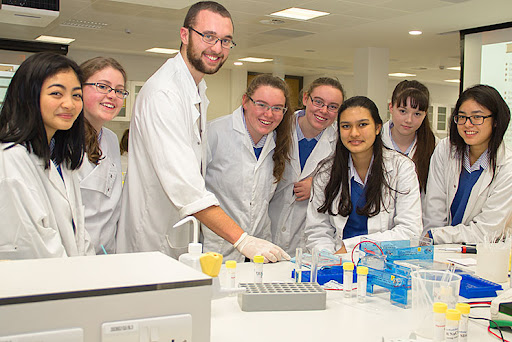
“The Bachelor's program in Biochemistry provides the relevant fundamentals of chemistry, physics, mathematics, molecular biology, biochemistry, and biophysics. The academic focus is on developing conceptual understanding in chemistry, molecular biology, biochemistry, and biophysics.”

“These skills are more and more needed for answering a variety of questions from Biology, Biochemistry, Biomedicine and Medicine. In the study program, Bioinformatics, the focus lies on understanding and applying IT methods to treat large-scale life science data such as full genome sequences. Database skills and algorithms for data analysis are introduced and used for tackling biological and medical phenomena using computer-based methods.”

“This course deals with all phenomena of life, from molecules to genes, cells, individuals, populations, and ecosystems. In your bachelor's program, you will acquire the mathematical and scientific foundations, including statistical and programming skills, as well as broad knowledge of current research areas in biology.”

“The Computational Science Minor (30 ECTS credits or 60 ECTS credits) is a program for students that intends to expand beyond their current disciplines and gain insight into the world of big data science and simulations. You'll create your own transdisciplinary path with courses from the following specialization areas: data analysis in the natural sciences, simulations in the natural sciences, bioinformatics, and neuro informatics.”
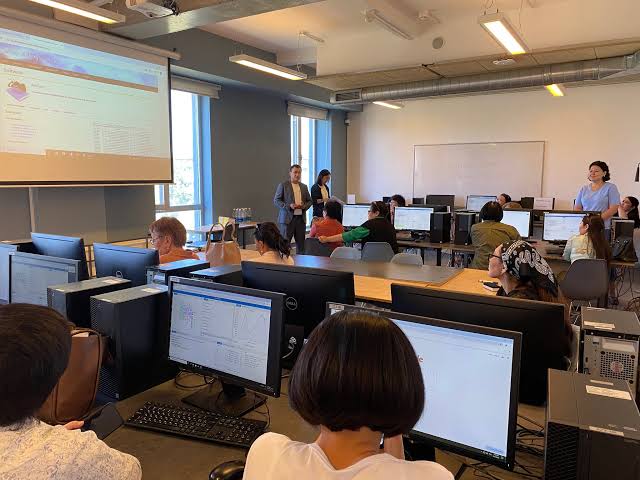
“In our knowledge-based society, information is primarily available digitally, often in textual form. Although the need for information differs across disciplines, there is one common denominator: methods and tools are needed to automatically highlight and extract the information sought from texts. Digital Humanities and Text Mining offers an introduction to the methods and tools for computer-aided document analysis. Study objectives include basic programming skills and knowledge of methods and tools for analyzing digital documents. Individual concentration in one of the sub-areas is possible.”
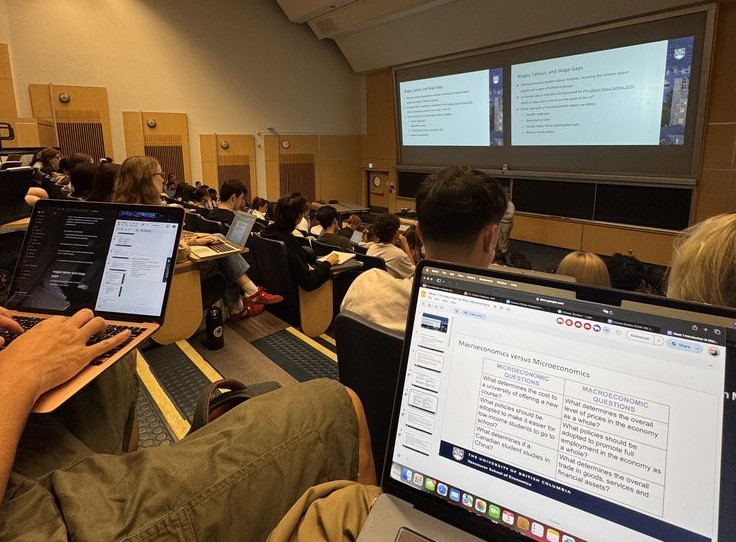
“In the General Economics minor program, you will learn the fundamentals of business administration and economics. You will learn, for example, how to run a successful company, how politics and the national bank influence economic growth, how to combat unemployment, and what happens when inflation or interest rates arise. You will also become familiar with the core functions of a company, from defining corporate strategy to finance and accounting, human resources, and marketing issues.”

“Human medicine deals with the interrelationship between disease and health in humans. The program imparts medical knowledge based on knowledge of natural and human sciences. At the same time, acquiring medical skills and abilities during the program is central to the practical, interdisciplinary training of future physicians. In addition to the required coursework, advanced students can choose modules from a wide range of areas to focus on, ranging from surgery and outpatient medicine/general practice to clinical epidemiology, medical informatics, and patient safety, as well as pain management, palliative medicine, and internships in biomedical research laboratories.”
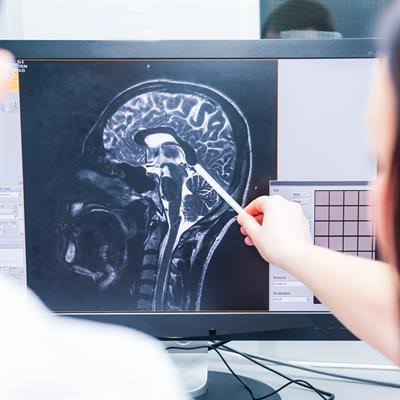
informatics “This is the science program that aims to understand how biological neural systems perform computations and support sensory, motor, and cognitive functions.”

“Psychology studies human experience and behavior as individuals and in groups. Psychologists develop theories and models that they test using empirical methods.”
Postgraduate Programs

“Artificial Intelligence (AI) is today’s most important area of computer science. AI is global. It recognizes your speech when talking to Siri, Alexa, or Ok Google, it identifies faces and objects when you take pictures with your smartphone or when you upload your photos to Facebook or Instagram, it diagnoses tumors in medical images, it predicts stock market trends, it translates languages, filters your email spam and it enables drones and cars to understand the environment and drive by themselves. The ultimate goal of AI is to implement intelligent behavior, such as the capability to learn and improve from experience, into machines or just any computer program.”
“The Astronomy and Astrobiology minor program (30 or 60 ECTS credits) offers students a broad education in the fascinating topics of our universe and the life within it. Astronomy and Astrobiology is an interdisciplinary study program that explores the origin and nature of life on Earth and the possibility of life in the wider universe.”

“The Master's in Business Administration takes an in-depth look at the various core functions and processes of companies. A major advantage is that you enjoy considerable freedom in structuring your studies and can focus entirely on your individual interests. On the other hand, you can tailor your studies to a specific subject area, such as marketing or accounting, and specialize in it.”

“The consecutive Master's degree program builds up on the biochemistry bachelor’s degree. The program mediates future-oriented knowledge in structural biology, protein engineering and structure-function relationships of bio-macromolecules. Sound experimental competencies are developed within short research projects followed by the final Master’s thesis project. Generic skills including the ability to transfer concepts, to identify problems, to formulate hypotheses, and to work in an international team environment are promoted throughout the entire program. The Master’s degree in biochemistry is therefore a professional qualification for research activities in the life sciences.”
“These skills are more and more needed for answering a variety of questions from Biology, Biochemistry, Biomedicine and Medicine. In the study program Bioinformatics, the focus lies on understanding and applying IT methods to treat large-scale life science data such as full genome sequences. Database skills and algorithms for data analysis are introduced and used for tackling biological and medical phenomena using computer-based methods.”

“The Master of Science degree in Biology at UZH offers the unique opportunity to acquire in-depth research experience in the one-year Masters project, which follows course work of one semester. A set of advanced modules is tailored to your needs in an individual learning agreement at the start of your studies. You can choose one of the 14 concentrations within Biology, Animal behavior, Anthropology, Paleontology, Systematics and Evolution, Ecology, Plant Sciences, Genetics and Development, Neurosciences, Molecular and Cellular Biology, Cancer Biology, Microbiology, Immunology, Virology, Quantitative Biology and Systems Biology. In all of these fields, renowned researchers are based at UZH in a variety of research groups, making it one of the best places in the world to take your first steps into research.”
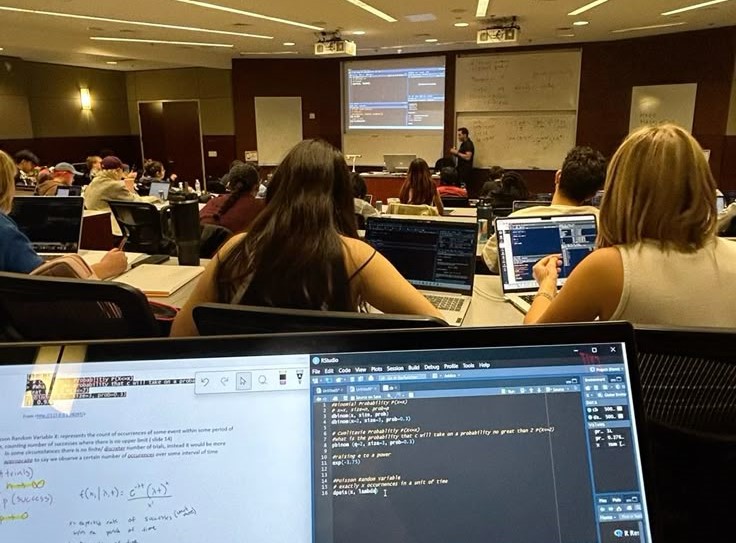
“Calculations that was unthinkable only a decade ago are now possible thanks to powerful computers. Modern computer and novel computational methods contribute to solving highly complex scientific problems or to produce sophisticated industrial models. The skills gained in this program can provide solid technical foundation for scientists.”

“In the Master's study program in Data Science, you will learn how to carry out professional analyses of large data quantities, recognize patterns, demonstrate relationships, and prepare results in appealing interactive formats. Drawing on techniques and theories from a range of fields including statistics, informatics, and cognitive sciences, this will give you the foundations for making strategic and operational decisions for individuals, companies, organizations, and the society as a whole. You will also learn how to analyze non-standard problems yourself, how to use independent means of acquiring the knowledge you need to do this, and how to design and use appropriate systems and solutions.”

“The «DSI Minor Digital Skills» enables all students of the UZH to acquire competencies to meet the challenges of the digital transformation and to take advantage of its opportunities. The curriculum provides for interdisciplinary teaching/learning settings that allow critical reflection, promote understanding of different issues, approaches and methods, and enable the acquisition of «digital skills». The program is supported by the interdisciplinary network of lecturers of the Digital Society Initiative (DSI).”

“The Department of Economics at UZH is globally famous and has consistently ranked among the top programs in Europe and the best of the German-speaking world. Studying economics at UZH means studying with professors who are pushing the frontiers of knowledge. Following the motto «Pioneering Economics», the department wants to contribute to finding answers to the five most pressing challenges humanity is facing today. How we, as a society, deal with the challenges will have a decisive impact on how the world develops in the coming decades. A Master in Economics gives you the tools to understand how markets and more generally societies function. Economics analyzes social problems by modelling and measuring the behavior of humans or human organizations such as firms.”

“The Master's program in Human Medicine at UZH is the largest program in Switzerland, with over 300 students per year. Students complete a modular, practice-oriented, and interdisciplinary program. The practical clinical training benefits from four university hospitals and over 30 other teaching hospitals and teaching practices.”

“This study program uniquely combines business administration and economics. It provides you with a comprehensive insight into the world of business and a sound knowledge of the market environment in which companies operate. You will learn how to run a successful company and how to interpret developments of the economy as a whole. Additionally, you will take a deep dive into personnel economics, the economics of innovation, organizational economics, and microeconomics. Furthermore, the program includes the study of modern empirical methods of economic research.”

“The MSc Minor in Neuro informatics provides trans-disciplinary knowledge and skills. The main focus is understanding the principles underlying brain function and discovering how these principles help to develop more intelligent and efficient artificial systems.”
“Students deepen their expertise in psychology and acquire knowledge and skills that enable them to pursue a professional career as a psychologist. The master's degree entitles graduates to call themselves 'psychologist' and qualifies them to pursue an academic career in the field of psychology, doctoral studies, and postgraduate training.”

“The specialized Master's degree program, Master of Science UZH ETH in Quantitative Finance (MScQF), is a highly international degree program offered jointly by the University of Zurich and ETH Zurich. This Master's degree program offers its students a unique blend of training in quantitative methods for finance and economics, covering the fundamental concepts associated with financial economics, financial markets, asset management and risk management.”