
Why JAPAN?
Japan is an island nation in East Asia known for its advanced technology, strong economy, rich cultural heritage, and high standard of living. It is the third-largest economy in the world by GDP. Although Japan has historically maintained strict immigration policies, recent labor shortages due to an aging population have led the government to open more pathways for foreign workers. For Nigerians, Ghanaians or other Africans seeking employment, education, or better living conditions, Japan presents both significant opportunities and serious challenges.
JAPAN VISA APPLICATION
To apply for a visa application in Japan, one must first have a purpose for seeking a VISA to enter the country. Secondly you need to have a good knowledge of the country, its benefits and disadvantages towards immigrants from Nigeria, Ghana and other African countries. Thereby knowing what to expect as an African immigrant in Japan and if satisfied with the expectations take the necessary steps to apply for the right VISA. There are various reasons for one to migrate into Japan which are; Study, Tourist, Visiting, Work or other immigration purposes as the case may be, D-RED EMPIRE have provided you with all you need for a successful visa application into Japan; the visa requirements, guides on how to process your application from start to finish, Visa Centre Nigeria (VFS)/Ghana (Embassy), Visa forms and other visa supports.
Benefits of African Immigrants in Japan
Education and Study Opportunities
- High-quality universities: Japan has world-ranked universities and strong research institutions, particularly in science, engineering, robotics, and technology.
- Government scholarships: The Japanese government offers scholarships (such as MEXT scholarships) to international students, including Africans.
- Safe and structured learning environment: Japanese schools emphasize discipline, structure, and academic excellence.
Employment Opportunities for Africans in Japan
- Labor shortages create opportunities: Japan faces a declining birth rate and aging population, which has created labor shortages in sectors such as:
- Manufacturing
- Construction
- Agriculture
- Elderly care
- IT and engineering
- Competitive salaries in skilled fields: Highly skilled professionals (for example, IT specialists, engineers, researchers) may earn competitive salaries. Japan also has structured employment systems with benefits such as:
- Health insurance
- Pension contributions
- Paid leave
- Safe work environment: Japan is known for workplace safety standards and strong respect for rules and procedures.
Living Expenses and Lifestyle
- High safety standards: Japan is one of the safest countries in the world with very low crime rates. This is attractive to families and students.
- Efficient infrastructure: Japan offers reliable public transportation, an advanced healthcare system, clean cities and organized urban planning.
- Quality healthcare: Residents are required to enroll in national health insurance, which provides access to high-quality medical services at controlled costs.
Disadvantages of African Immigrants in Japan
Education and Study Opportunities
- Language requirements: Although some university programs are offered in English, many courses are taught in Japanese.
- Living costs: Even if tuition is moderate compared to the US or UK, living expenses (especially in Tokyo) are high.
- Limited work hours: International students are allowed to work part-time for up to 28 hours per week, although there are restrictions on hours.
Employment Opportunities for Africans in Japan
- Language barrier: The biggest challenge for African immigrants is language. Japanese is the dominant language in workplaces and daily life. Without Japanese language skills:
- Job opportunities are limited
- Career advancement is difficult
- Social integration becomes harder
- Limited acceptance of low-skilled migrants: Although Japan now allows more foreign workers, visa programs are still controlled and often tied to specific industries. Changing jobs can be complicated.
- Work culture pressure: Japan is known for its demanding work culture, including long working hours, strong hierarchy and high expectations for discipline and punctuality. This can be stressful for newcomers unfamiliar with Japanese corporate culture.
Living Expenses and Lifestyle
- High cost of living in major cities: Cities like Tokyo and Osaka are expensive, especially for rent, transportation and food. Although smaller cities are cheaper, many job opportunities are concentrated in urban areas.
- Cultural adjustment: Japan has a distinct culture that may be different from many African societies. Differences include communication style (indirect communication), social norms, and emphasis on conformity. Adjusting takes time and requires patience.
- Social isolation: Japan is not traditionally an immigration country, so integration can be difficult. African immigrants may experience social isolation, limited diversity, and occasional racial bias.
Challenges Specifically for African Immigrants
- Immigration policies: Japan’s immigration policies are structured and selective. Most work visas require employer sponsorship, specific skill qualifications and contract agreements. Permanent residency takes several years.
- Cultural differences: Japanese society values harmony, respect, and conformity. Africans from expressive or communal cultures may need time to adapt.
- Racial and social barriers: Although Japan is becoming more diverse, African immigrants may face stereotyping, curiosity or unfamiliarity from locals, and limited representation in society.
What Attracts Africans to Japan?
- Advanced technology and innovation
- Safe environment
- Strong economy
- Scholarships for international students
- Unique cultural experience
- Stable political system
- Opportunity to work in global companies
GENERAL VISA REQUIREMENTS FOR JAPAN
✔ Documents indicating your purpose for a visa application such as:
- Study permit: Original document of admission letter(s), receipt of payment for tuition deposit and any other supporting document from the school that’s required by the embassy.
- Work permit: Job employment offer letter(s) from the company or firm that’s recognized by the immigration government for issuing foreign jobs.
- Visiting: Invitation letter from an invitee who is a citizen or permanent resident.
- Tourist/vacations: Typically a reservation with the recognised tourist centre, leisure site or conference organiser is required.
- Obtaining a Certificate of Eligibility (COE): A certificate of eligibility (COE) is an official document that verifies an individual or entity who meets the required qualifications to access a specific benefit, program, or services. To apply for a Japan long stay visa from Nigeria or Ghana, you first need to obtain a Certificate of Eligibility (COE) from a Japanese institution that is recognized by the government for bringing in international immigrants either for study, work or other long term programs or services. This institution will apply for the COE document on your behalf if you meet the requirement for qualification. A photocopy of the original "paper" COE and printed electronic (emailed) COE will be accepted.
- Fully filled-in visa application form(s) signed by the applicant. Visa application form (VFS)for long term stays more than 90 days.
- Passport: Passport must have validity for your expected period of stay plus at least six months extra after your return date and at least two blank visa pages. Submit all previous passports if applicable and copies of stamped pages showing travel history. Provide a scanned copy of the biodata page and two printed copies, plus the original passport at submission.
- Two recent passport-sized photographs in color according to Japan photo specifications.
- Academic transcripts and certificates, Original + 2 photocopies (if applicable).
- Curriculum vitae / resume, Original + 2 copies.
- Proof of financial support: Private applicants must provide documents such as last 6 months bank statements, bank certificate (mybankstatement), bank reference letter, and any other supporting documents. Accounts should show adequate funds to support the applicant’s stay in Japan. These documents will be required both during your application for COE and long term visa at the immigration center in your region. For better understanding, know the total amount needed for living cost such as; (accommodation, feeding, transportation and others) based on your purpose of stay, and any added expenses for the duration of your stay if longer than 90 days. If more than a year like those going to study or work, you need to show a more substantial minimum amount, typically around 1,400,000 Yen per year. Do well to show enough funds that will take care of all costs at least for one year.
- If the applicant will be sponsored the following documents are also required;
- Sponsor’s Original Bank Statement (last 6 months) stamped and signed by the bank and other bank supporting documents such as; bank certificate (mybankstatement) and a reference letter from the bank etc. (Original + 2 copies)
- Signed declaration/sponsorship letter from sponsor with date (original + copies).
- Documents proving your relationship with your sponsor (original + 2 copies) please note affidavits are generally not accepted.
- Sponsor’s proof of source of income and other supporting documents (Original + 2 copies).
- Copy of sponsor’s identification card or passport biodata page (front and back) (Original + 2 copies).
- In case of minors the following documents are also required:
- Birth certificate (original + 1 copy)
- Copy of parents’/guardian’s passport biodata page(s)
- Parents’/guardian’s consent letter dated and signed (original copy)
- Proof of language skills: If required — Japanese or English is accepted
- Prospective flight tickets: Proof of booked flights or evidence of funds for flight costs if visa is granted.
- Submission and application: As soon as you have the complete required documents for the exact visa you’re applying for, well sorted, up to date, and accurate you are encouraged to visit the Japan visa consulate center in your region to book an appointment for submission and application. If you are applying for either a short term or long term visa your application must be in person at the Visa Consulate Center in your region. Click the direct link to contact the visa center in Nigeria or Ghana to book an appointment for your application. Arrangements for application can be booked 3 months ahead of time.
- Visa application fees: To be settled in your local currency in cash (if required) using the required exchange rate as of the time of payment at the visa immigration center. Kindly contact the visa center in your region to know the exact fees.
All documents must be legal, non-fraudulent, verifiable, accessible, well arrange, up to date and complete to avoid application delays, denials or bans (in the case of fraudulent/criminal act) by the Canton officer of Switzerland immigration government responsible for applications from your current residence. Also documents should be submitted in English or Japanese. Any document(s) requiring translation must be ordered from authorized translators or notary.
Conclusion
Japan offers structured opportunities for African immigrants, especially skilled professionals and students. Its strong economy, safety, and technological advancement are major attractions. However, strict immigration rules, language barriers, high living costs in major cities, and cultural differences can make integration challenging. For Africans considering migration to Japan, preparation is essential. Learning the Japanese language, securing proper documentation, and understanding cultural expectations significantly increase the chances of success. Kindly contact us if you need help with your visa application.
SCHOOLS OPEN FOR ADMISSION IN JAPAN
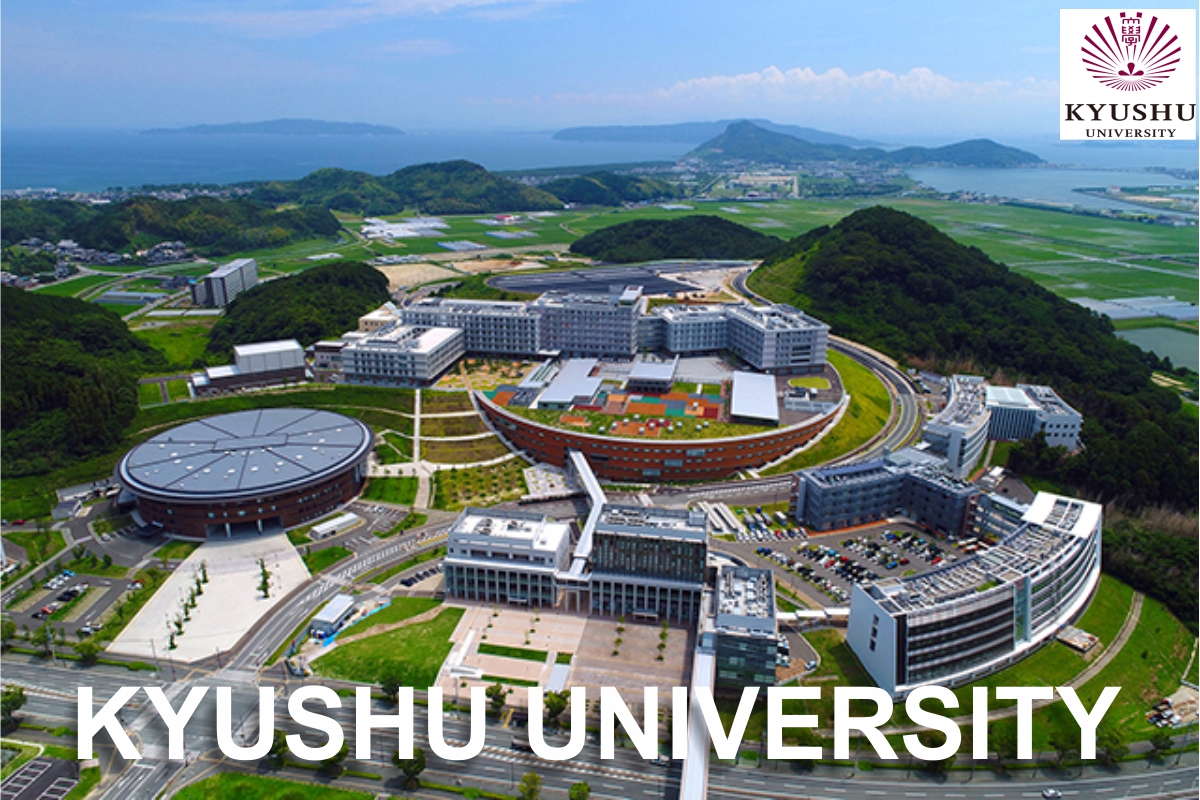
Kyushu University
JAPAN
Founded in 1911, Kyushu University is one of Japan’s leading research-oriented institutions of higher education. It consistently...
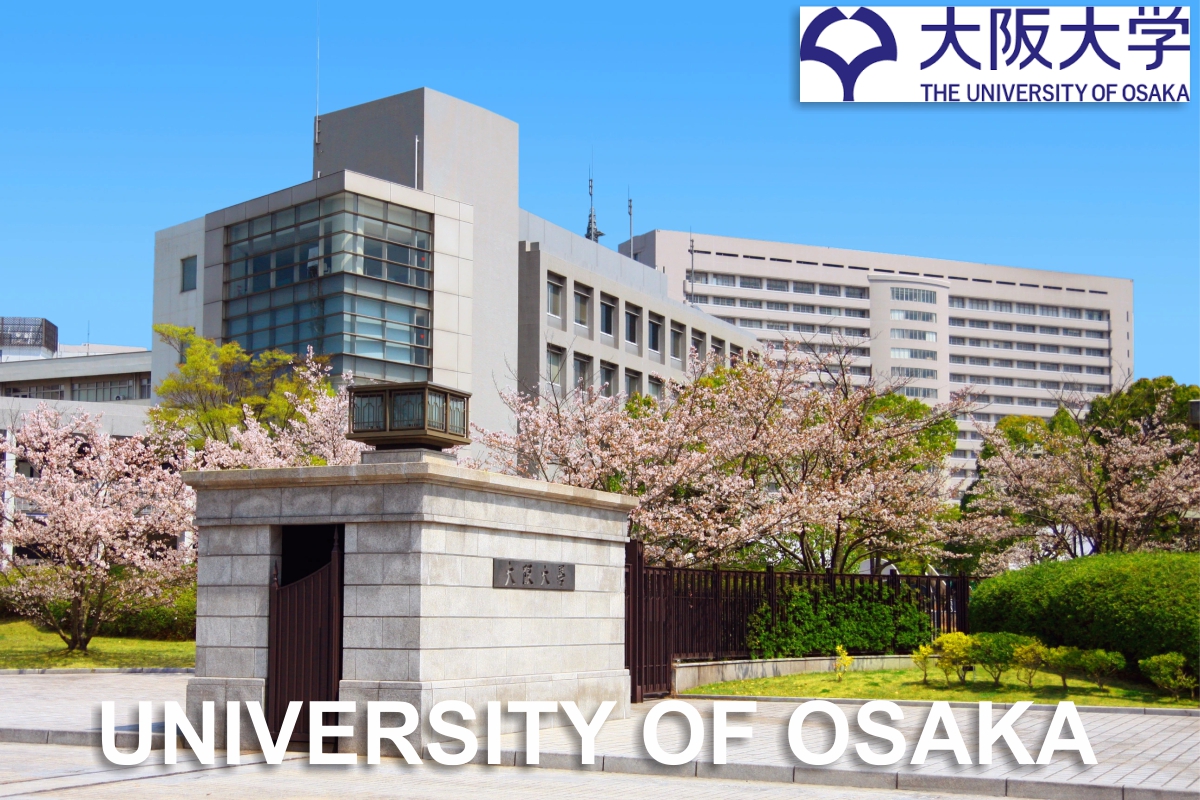
University of Osaka
JAPAN
Tekijuku, the root of the University of Osaka, attracted highly motivated young people from all over Japan who admired OGATA Koan. Back then, Tekijuku offered...
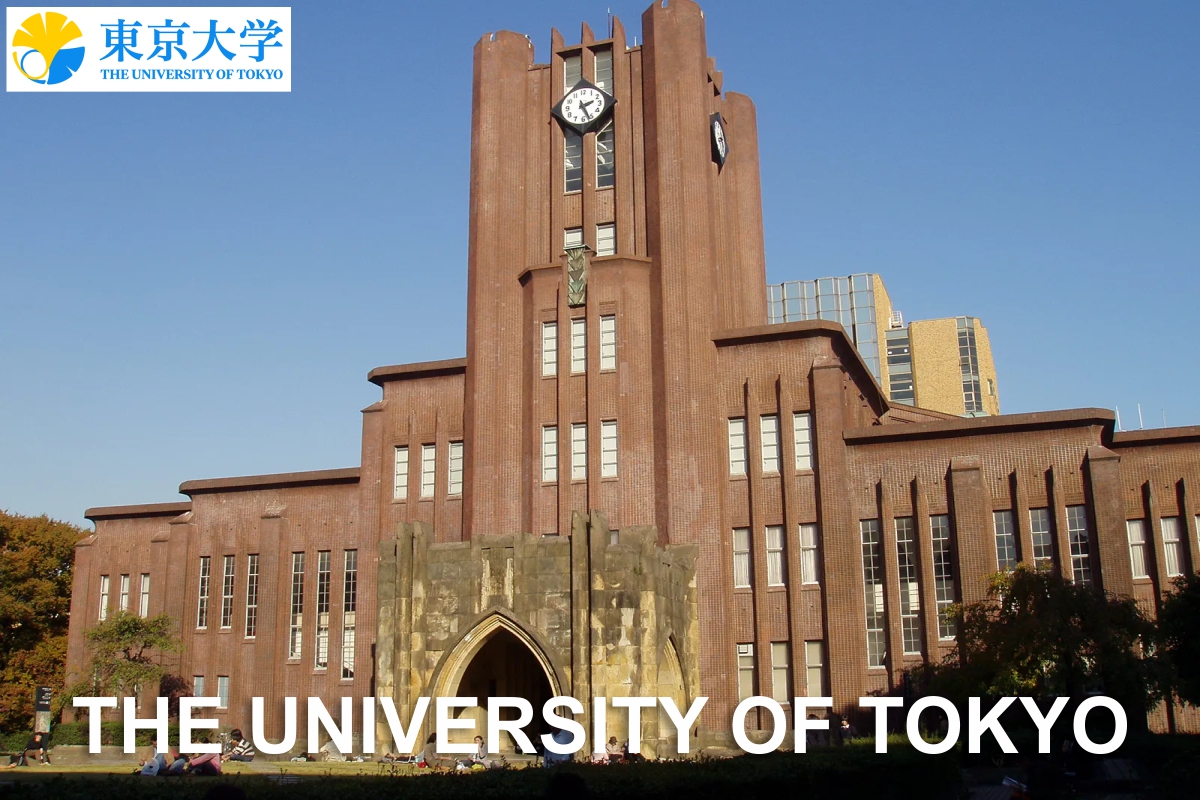
University of Tokyo
JAPAN
The University of Tokyo was established in 1877 as the first national university in Japan. As a leading research university, UTokyo offers...
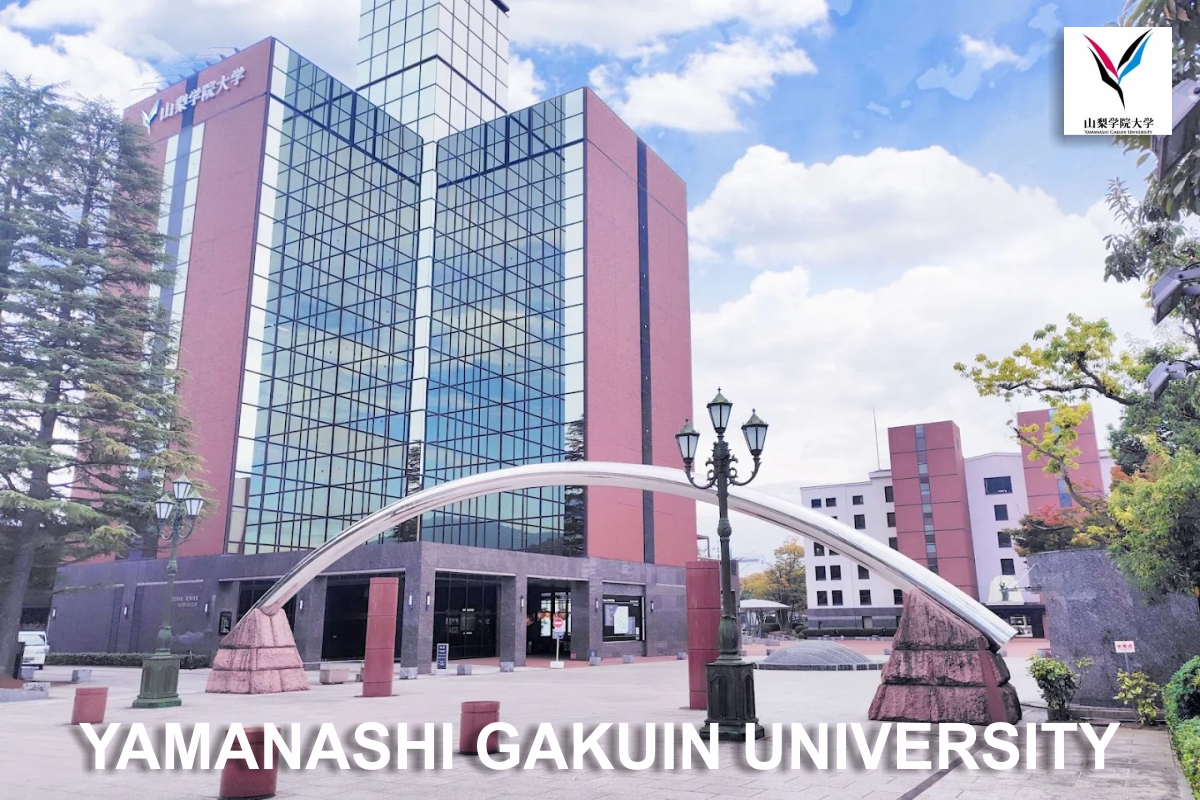
Yamanashi Gakuin University
JAPAN
Yamanashi Gakuin University aims to nurture individuals that have the ability to create an ideal future through the application of creativity and enterprise, also possessing a broad international...