
Why Malta?
Malta is a small island nation in the Mediterranean Sea and a member of the European Union. As an English-speaking EU country, it attracts people from around the world, including many Nigerians, Ghanaians and other Africans seeking better jobs, education, safety, and quality of life. In recent years, Malta has seen one of the highest immigration rates in the EU, with immigrants from non-EU countries making up a large share of its population growth.
MALTA VISA APPLICATION
To apply for a visa application in Malta, one must first have a purpose for seeking a VISA to enter the country. Secondly you need to have a good knowledge of the country, its benefits and disadvantages towards immigrants from Nigeria, Ghana and other African countries. Thereby knowing what to expect as an African immigrant in Malta and if satisfied with the expectations take the necessary steps to apply for the right VISA. There are various reasons for one to migrate into Malta which are; Study, Tourist, Visiting, Work or other immigration purposes as the case may be, D-RED EMPIRE have provided you with all you need for a successful visa application into Malta; the visa requirements, guides on how to process your application from start to finish, Visa Centre Nigeria/Ghana, Visa forms and other visa supports.
Benefits of African Immigrants in Malta
- Job Opportunities: One reason many Africans migrate to Malta is the prospect of employment. Several sectors in Malta, such as tourism, construction, health, hospitality management, and professional services, rely heavily on immigrant workers. Foreign workers fill many positions in hospitality, cleaning, transportation, and retail, especially when locals are less willing to take these jobs. Malta’s economy has grown partly due to these immigrant contributions, and demand for workers remains high in certain areas. Many migrants find jobs more easily in Malta than they might in larger European countries where competition is greater.
- Language and Integration: English is one of Malta’s official languages. For many African migrants, especially those from English-speaking countries, the language similarity makes living, studying, and working easier. This reduces barriers that exist in destinations where a new language must be learned.
- Education Opportunities: Malta offers educational programs at both university and vocational levels. For international students, tuition fees in Malta are often lower than in countries like the UK, Australia, or Canada, making it a more affordable European option. Many institutions offer programs in English. Also Schengen-area benefits and EU educational standards attract students who might want study qualifications recognized across Europe thus giving wider opportunities and international recognition.
- Safety and Quality of Life: Malta is generally considered one of the safer countries in Europe, with relatively low crime rates and stable governance, making it appealing for families and young professionals.
Disadvantages of African Immigrants in Malta
- Legal and Bureaucratic Challenges: Non-EU migrants must deal with lengthy immigration processes, paperwork, and changing visa regulations. This often involves waiting weeks or months for permits and dealing with frequent policy changes that require constant updates.
- High Cost of Living: Although not as expensive as countries like the UK, Malta’s cost of living is still high compared to Nigeria, Ghana and many African countries. Rent prices, especially in cities like Valletta or Sliema, can take a large portion of a worker’s monthly income. Even groceries, transportation, and utilities add to living expenses, especially for newcomers adjusting to a European economy.
- Employment Challenges: Despite job opportunities, many African immigrants still face significant barriers in the workplace. Research has shown that a large number of African immigrants experience discrimination when applying for jobs, and many end up in low-skilled positions regardless of their qualifications. Some employers may not recognize foreign credentials, and immigrants often compete with experienced locals and other Europeans for limited high-paying jobs. Visa and permit rules also require a signed job offer for non-EU workers, which can be difficult to get without strong networks or experience.
- Discrimination and Social Barriers: Studies reveal that Africans sometimes encounter discrimination in both work and housing markets. For example, surveys found that many African immigrants were denied accommodation or offered jobs below their skill level due to racial bias. Although in recent times issues like this have been addressed and reportedly treated fairly thereby giving room for a more balanced scale between immigrants and locals.
What to Expect as an African Immigrant in Malta
- Documentation is crucial: To live, study, or work legally, non-EU immigrants need the right visas and permits, often tied to employment offers.
- Cultural Adjustment: While many people speak English, social norms and lifestyles in Malta can feel different for many African immigrants.
- Financial Preparation: You should plan for initial costs like rent, food, insurance, and transportation before arriving.
- Possible Discrimination: Be prepared for some social challenges due to racial bias, especially in housing and workplace entry.
GENERAL VISA REQUIREMENTS FOR MALTA
✔ Documents indicating your purpose for a visa application such as;
- Study Permit: Admission Letter(s), Receipt of payment for tuition deposit and any other supporting document from the school that’s required by the embassy.
- Work Permit: Job employment offer letter(s) from the company or firm that’s recognized by the immigration government for issuing foreign jobs.
- Visiting: Invitation letter from an invite who’s a citizen or permanent resident.
- Tourist/Vacations: Most times immigrants going into Malta for tourist, vacation or business only need documents to show that they have a reservation with a recognised tourist centre, leisure site, or conference organiser recognised by the immigration government for such activities.
- Fully filled in Visa application form(s): Signed by the applicant (Please note that form differs based on your period of stay, either a short stay of less than 90 days or a long stay of more than 90 days). [Visa Form-D] for stays more than 90 days.
- Passport: Passport must have a validity of 10 months with at least two blank visa pages. Please additionally submit all previous passports if applicable and stamped pages if you have travel history. [Scan the bio data page and print out 2 copies + Original passport document]
- 2 Passport photographs in color according to [ICAO Standards].
- Proof of Financial Support: Bank Statement of the last 3 months attached with a bank reference letter and recent bank certificate (mybankstatement) showing adequate funds to support the applicant’s stay in Malta. The funds must amount to at least 75% of the national minimum wage of Malta for every month of stay to a tune of 10 to 12 months if you intend to stay longer than one year. For better understanding, know the total amount needed for living cost based on your purpose of stay and any added expenses for the duration of your stay if longer than 90 days. If more than a year like those going to study or work, do well to show enough funds that will take care of all costs at least for one year.
- If the applicant will be sponsored the following documents are also required;
- Sponsor’s Original Bank Statement (last 3 months) stamped and signed by the bank.
- Signed Declaration/Sponsorship letter from sponsor with date.
- Document(s) to proof your relationship with your sponsor (please note affidavits are not accepted).
- Sponsor’s proof of source of income and other business supporting documents.
- Copy of sponsor’s identification card (front and back) or passport bio page.
- Please Note: For short stays below 90 days you need to show proof of around €48 per day to cover your expenses during the stay while long stay visas above 90 days typically require a more substantial minimum amount, often around €15,000–€20,000 for living costs together with any other added fees required for the purpose of your travel.
- Copy of international Bank card: (Euro card) needed to access funds in Malta (front and back). This might require you to open a Euro account for easy accessibility of funds.
- Additional documents: Depending on the specific requirements of the visa application, you may also need to provide other financial support documents such as investment statements, assets or property ownership documents — this can also serve as ties to your home country.
- Medical and Travel Insurance: (Contact us if you need help with getting a health insurance)
- Prospective flight tickets: (show funds available for flight fees if visa is approved)
- Proof of prospective accommodation: Show proof of available accommodation arrangements, reservations or rental documents in your name indicating address and duration of stay (at least first 14 nights from date of arrival in Malta).
- In case of minors the following documents are also required:
- Birth certificate (Original +1 copy)
- A copy of parents/guardian passport
- Parents/Guardian consent letter (original copy)
- Submission and Application: As soon as you have the complete required documents for the exact visa you’re applying for, well sorted, up to date, and accurate you are encouraged to visit the nearest Malta visa consulate center in your region to book an appointment for submission and application or click here to book online if slots are available for Nigeria or Ghana.
- Visa Application Fees to be settled by credit/visa card:
- Standard fees [for next day appointment if applying from Nigeria]
- 0-5 years: Free
- 6-11 years: €50 for Nigerian €45 for Ghanaian
- 12 years upwards: €100 for Nigerian €90 for Ghanaian
- Extended fees [for appointment within 3 weeks if applying from Nigeria]
- 0-5 years: Free
- 6-11 years: €50
- 12 years upwards: €150
- Standard fees [for next day appointment if applying from Nigeria]
All documents must be legal, non-fraudulent, verifiable, accessible, well arranged, up to date and complete to avoid application delays, denials or bans (in the case of fraudulent/criminal act) by the Visa consulate officer of Malta immigration government. Also documents should be submitted in English. Any document(s) requiring translation must be ordered from the approved list of authorized translators which can be accessed [here].
Conclusion
Malta provides real opportunities for many Africans who want a better life through work, education, or safety. However, immigrants must prepare for challenges, including job competition, high living costs, and possible discrimination. The experience of living in Malta depends greatly on individual skills, financial planning, legal preparation, and resilience. Kindly contact us if you need help with your visa application.
SCHOOLS OPEN FOR ADMISSION IN MALTA
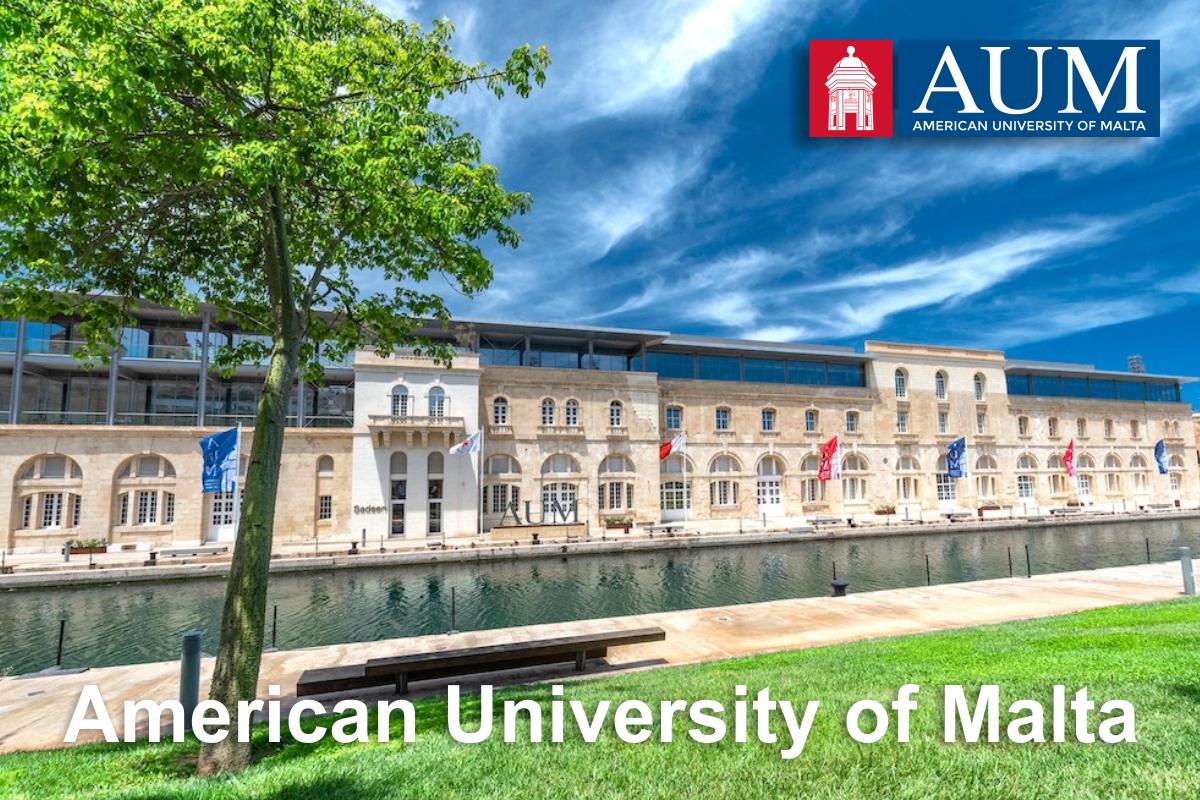
American University of Malta
MALTA
The American University of Malta! A private, American-style university dedicated to higher education and research for an international...
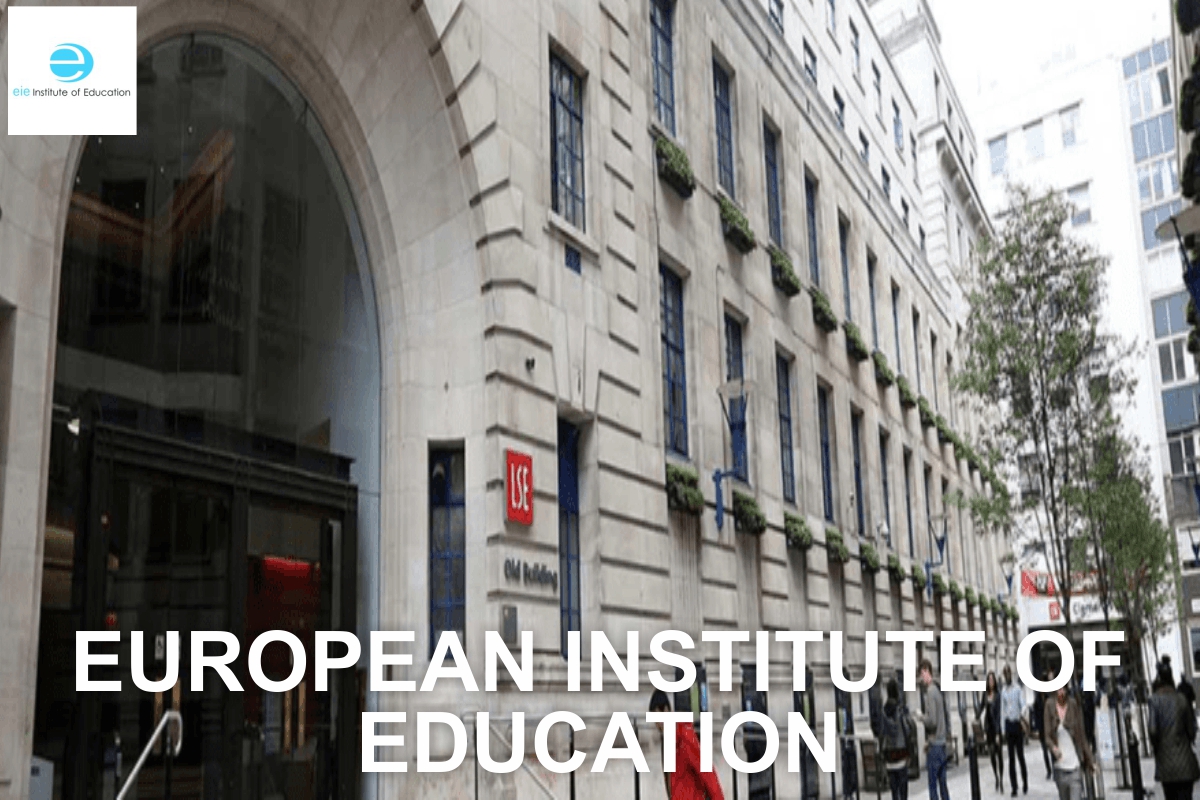
European Institute of Education
MALTA
EIE European Business School (formerly known as EIE Institute of Education) is a licensed Higher Education Institution regulated by the...
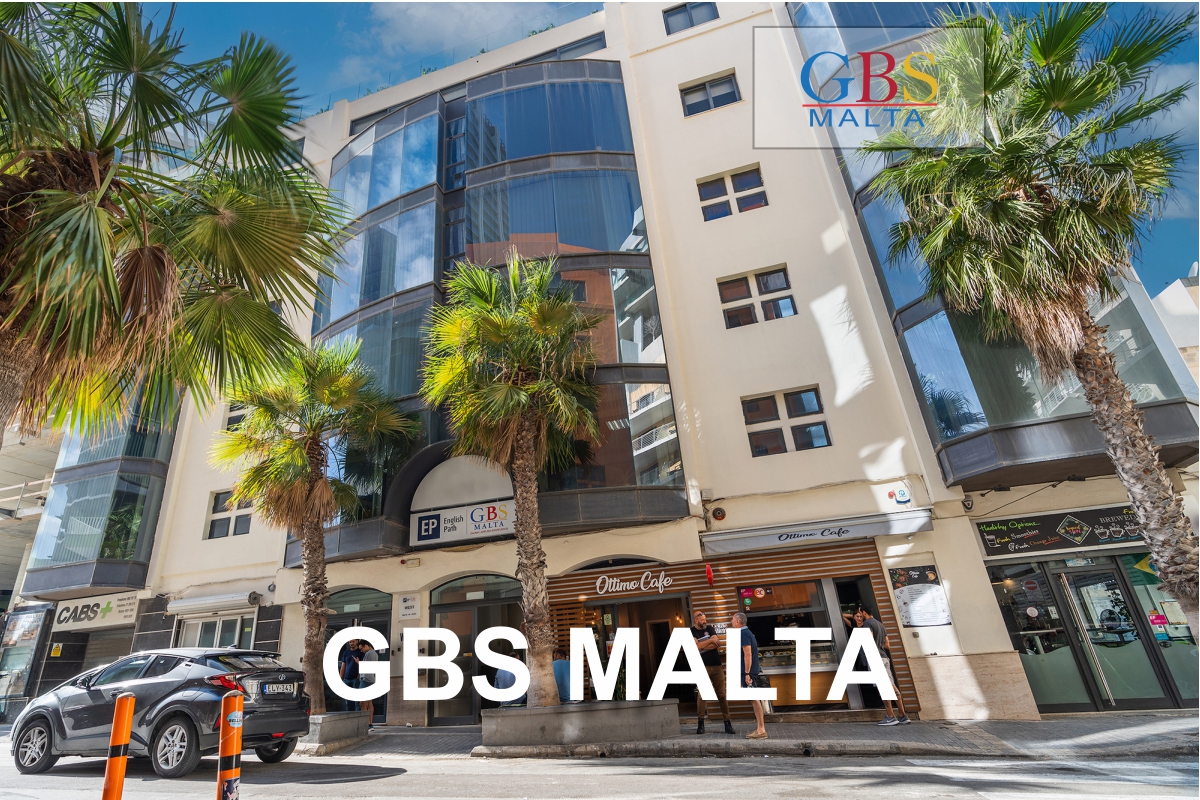
GBS Malta
MALTA
At GBS Malta, we are devoted to providing academic learning backed by real-world business experience that prepares students for...
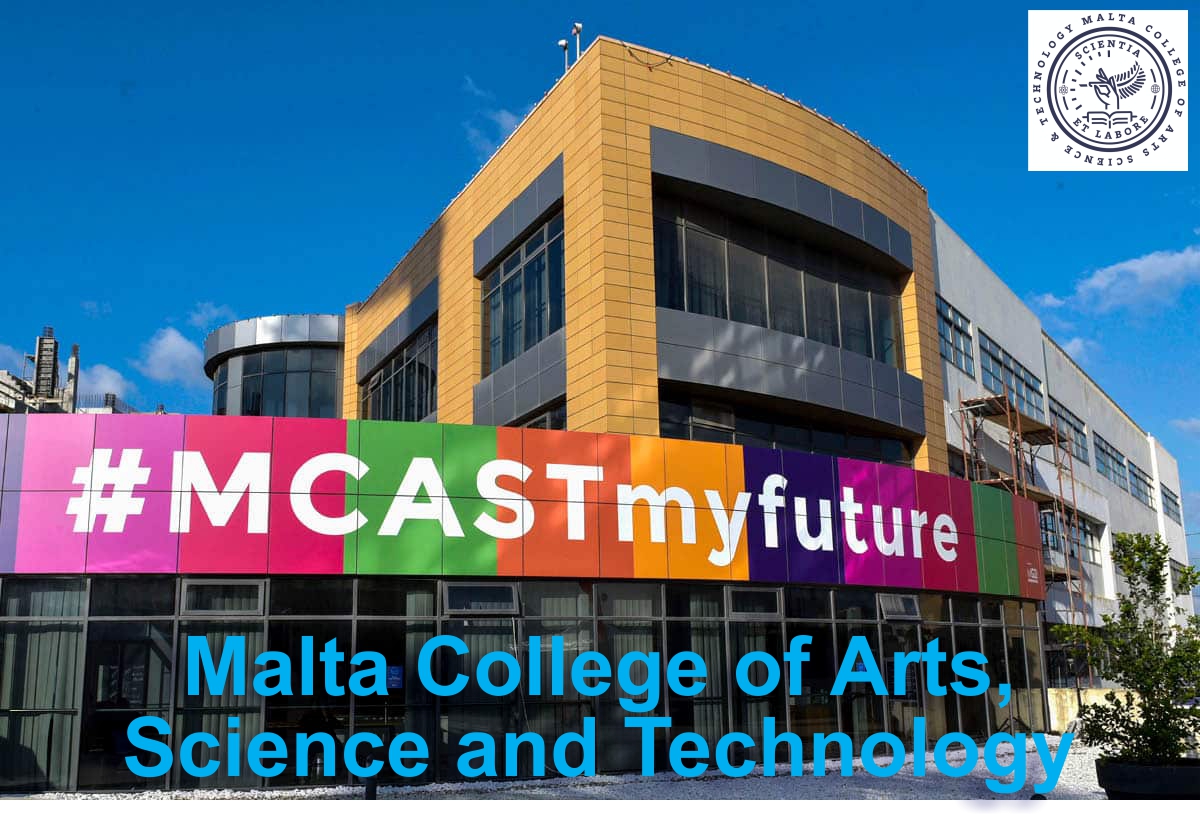
MCAST
MALTA
This university is the country’s leading vocational education and training institution. Six Institutes in Malta and the Gozo Campus, MCAST offers...
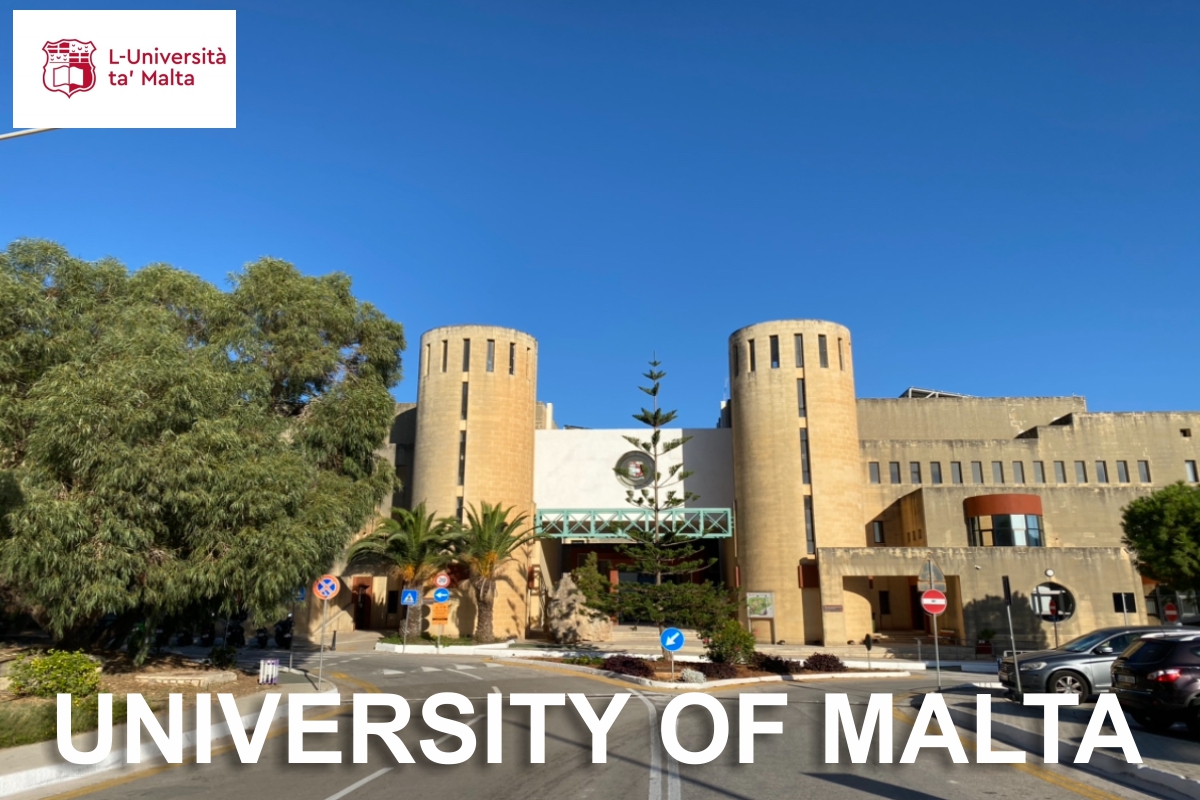
University of Malta
MALTA
Lying at the cross-roads of the Mediterranean, UM has been, over its 400-years history, the hub for international academic exchange on...