
The University of Tokyo
JAPAN
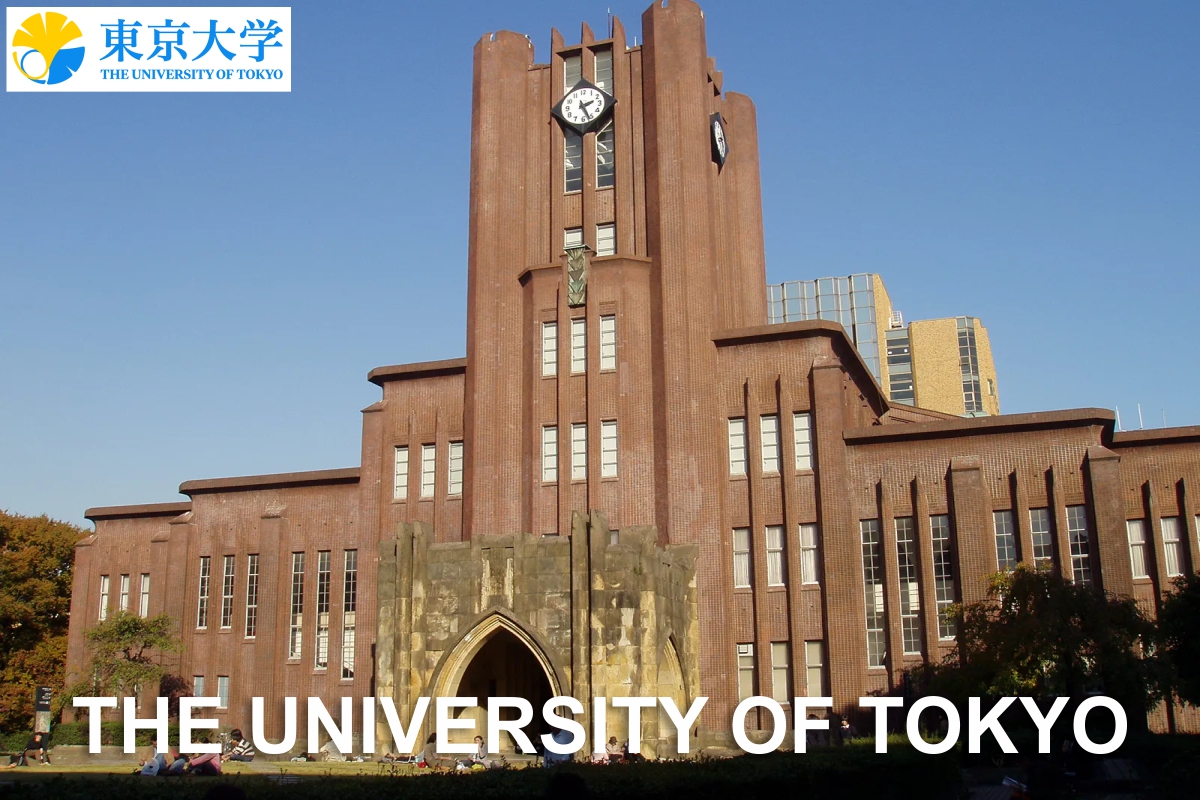
About The University of Tokyo
The University of Tokyo was established in 1877 as the first national university in Japan. As a leading research university, UTokyo offers courses in essentially all academic disciplines at both undergraduate and graduate levels and conducts research across the full spectrum of academic activity. The University aims to provide its students with a rich and varied academic environment that ensures opportunities for both intellectual development and the acquisition of professional knowledge and skills. To learn more about the University of Tokyo, please visit the pages below. Visit the school page to know more…
Major Courses for Easy Entry
Best advised you choose any course within these major areas of study as it will help prepare you for the job demands in the global market of our world today. See list of courses for Undergraduate and Postgraduate programs if your choice of course is not listed among the selected courses for major entry.
Please note: The information we provide on this school page are mostly for undergraduate and postgraduate programs. There are other programs such as Diploma, Certificate, Advanced diploma, Doctorate and Research programs. Although some similarities occurs in requirements within courses like Diploma, Certificate and Advanced diploma programs, but it is advisable you check the course page on overviews and entry requirements to be more exact. International applicants are encouraged to know the program they want to opt in for and the available courses offered in that program. Visit the school link for list of courses under their specific programs to make your choice.
Undergraduate Programs
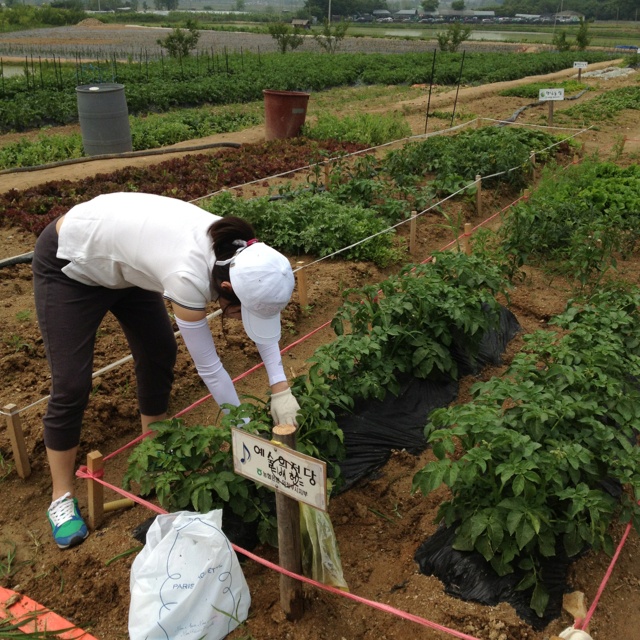
“The most vital factor required to sustain human life is food. According to estimates published by the United Nations, the world’s population will reach 9.8 billion people by 2050, resulting in an increase of approximately 1.3 times the current population size. Even today, millions of people around the world do not have access to sufficient food. This situation is expected to become increasingly severe over time. Agriculture as an academic discipline promotes research that works to solve this problem from a wide range of perspectives. Some of the ways in which agriculture strives to improve the quality and quantity of food include raising the efficiency of plants’ use of solar energy by increasing the rate of photosynthesis; developing crops that are highly resistant to disease and insect damage; modifying soil that is not suited for growing plants so that it can be used to raise crops; increasing the efficiency of farming aquatic animals such as fish; developing techniques to prevent infectious diseases from spreading among livestock; and proposing policies from the standpoint of agricultural economics.”
“The College of Arts and Sciences provides a unique specialized education in its Senior Division, which is known as the Faculty of Arts and Sciences. Focusing on the keywords ‘interdisciplinarity,’ ‘internationalization,’ and ‘innovativeness,’ the Faculty of Arts and Sciences has aspired to foster ‘cross-border knowledge’ among students. In other words, the Faculty encourages students to develop interests in many fields, actively engage in culturally and linguistically diverse environments, and take the initiative to explore new areas of learning.”
“The Faculty of Economics is comprised of three departments—Economics, Management, and Finance—which all feature common courses such as basic economic theory but also explore economics from different perspectives. In the Department of Economics, students utilize statistical, mathematical, institutional, and historical approaches to examine and analyze economics in various areas, such as public finance, banking and finance, industries, labor, and the international economy. Students in the Department of Management strive to understand and examine corporate activities and the behavior of people within business organizations by employing a diverse array of analytical methods. The Department of Finance, meanwhile, aims to deepen students’ understanding of financial engineering, macro-financial policy, business finance, business accounting, and related areas. People with expertise in economics and business management are increasingly in demand in today’s society. The fact that many of this Faculty’s graduates go on to become global economists, business leaders, and key personnel in government and international organizations is evidence of this demand. As globalization progresses, the influence of economics on society continues to grow. The Faculty therefore features excellent researchers and teachers together with first-rate facilities, offering one of Japan’s best educational experiences in the field of economics. With the advancement of globalization, the Faculty of Economics is confident that its presence will continue to reach new levels of prominence.”

“The Faculty of Engineering at the University of Tokyo welcomes creative young people who can face the challenge of invigorating future society by achieving what has heretofore been impossible. They expect that these individuals will profoundly develop their abilities within the Faculty’s environment, which is confidently regarded as among the best in the world. To create groundbreaking inventions and achieve what has previously been impossible through the application of existing techniques, students should not be content simply to acquire knowledge and understand scientific principles. In addition to learning this knowledge, students must master engineering, which enables them to create new technologies and bring dreams to life. The experience of studying engineering is somewhat different from studying at high school or in general education courses at universities. At the University’s Faculty of Engineering, knowledge gained through study is combined with the latest world-class research. Only through this integration of research and study is it possible for students to understand the true essence of engineering, a far-reaching and stimulating discipline that can bring significant changes to society. The Faculty wants its students to be ‘artists’ in the field of engineering. To that end, students are expected to have the courage and bold creativity to draw a picture on a blank canvas. While students are encouraged to develop a deep level of expertise, they are also expected to take an interest in real-world social issues and to consider what is important regarding these issues, the future direction of society, and other related matters. They are also expected to have the resolve and willingness to undertake the challenges that the real world presents.”
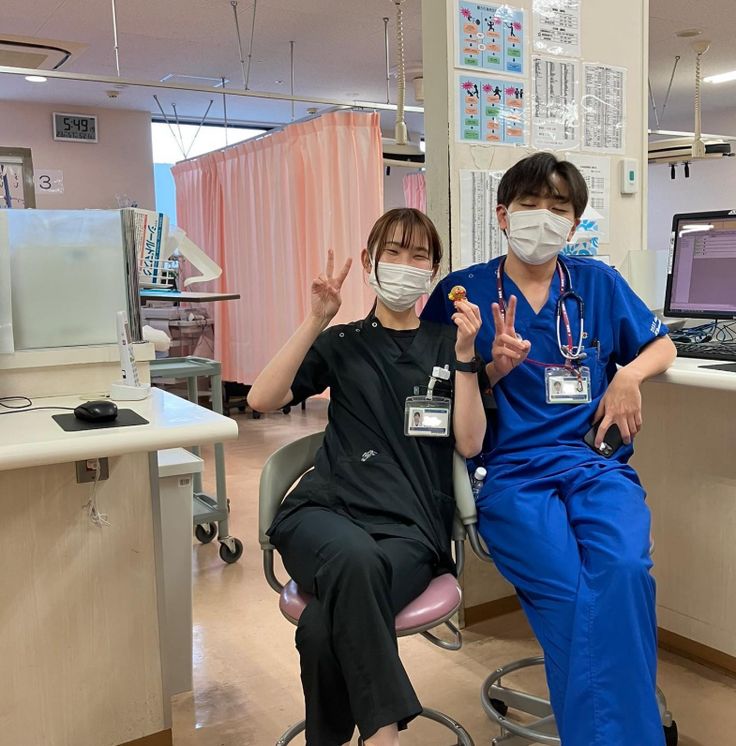
“What do you imagine when you hear the phrase ‘Faculty of Medicine’? Perhaps you picture a physician wearing a white coat and holding a stethoscope, or a researcher working with test tubes in a laboratory. However, medical science encompasses a vast range of topics—from the molecular structure of proteins involved in cancer development, to the functional integration of organs in the human body, to issues related to public and global health. The educational goals of the Faculty of Medicine therefore emphasize a philosophy of patient-centered care. Although rapid advances in medical science and their translation into medical practice have greatly improved disease prevention, diagnostic accuracy, and treatment outcomes, we must remember that not all diseases can be treated effectively and that some have devastating effects on patients. Therefore, in addition to ensuring the best clinical outcomes for patients, physicians must also consider the mental, ethical, and social dimensions of patient care. After graduating, most medical students in the Faculty of Medicine work as clinicians. Because the overriding goal of clinical practice is to ensure optimal support for human well-being, clinicians are expected to understand the mechanisms of disease at the molecular level and the complex pathological interactions among multiple organs. Just as important, however, is appreciating the central role of patients in medicine. Active collaboration between patients and healthcare providers is essential when designing personalized, comprehensive care.”

“To create new drugs, one must understand the mechanisms of life and the causes of diseases. Unfortunately, however, our knowledge is still insufficient across all fields, from the molecular level to pathology, and many questions remain unanswered. Researchers must unravel the mysteries of life phenomena from the perspectives of biochemistry, molecular biology, cell biology, physiological chemistry, embryology, genetics, and immunology. The synthesis of drugs requires an understanding of synthetic and reaction chemistry. The Faculty of Pharmaceutical Sciences has historically developed with a focus on organic chemistry and has therefore achieved outstanding results in the area of drug synthesis, along with many other fields. To understand traditional Chinese herbal medicines and create drugs that outperform these medicines, one must master natural products chemistry. In addition, analytical chemistry and physical chemistry are required to analyze the characteristics of drugs and their interactions with the human body at a molecular level. To ensure that drugs reach the intended parts of the body, pharmacokinetics must be determined and appropriate formulation designs developed. Pharmacology and toxicology are crucial disciplines for analyzing the effects of drugs on the human body. As can be seen, a wide range of research, from basic to applied science, must be integrated in one place in order to create new medicines. An increasing amount of interdisciplinary research that cannot be classified into traditional categories is also taking place. In short, the discovery of new drugs can be considered the result of combining and integrating knowledge gained from all of the above advanced sciences.”
“The Faculty of Science is a place for education and research in science. Science is a discipline that engages in a ‘dialogue with Nature’ to understand the principles and laws operating in the natural world. Researchers strive to unravel the mysteries of nature, beginning with simple questions such as ‘Why?’ and ‘How?’ The principal motivation for most research activities lies in pure curiosity, and human knowledge has accumulated in this way for many generations. Sometimes the understanding of nature leads directly to practical applications in the real world. At other times, it takes a long period before an understanding of nature brings significant changes to our lifestyles.”
Postgraduate Programs
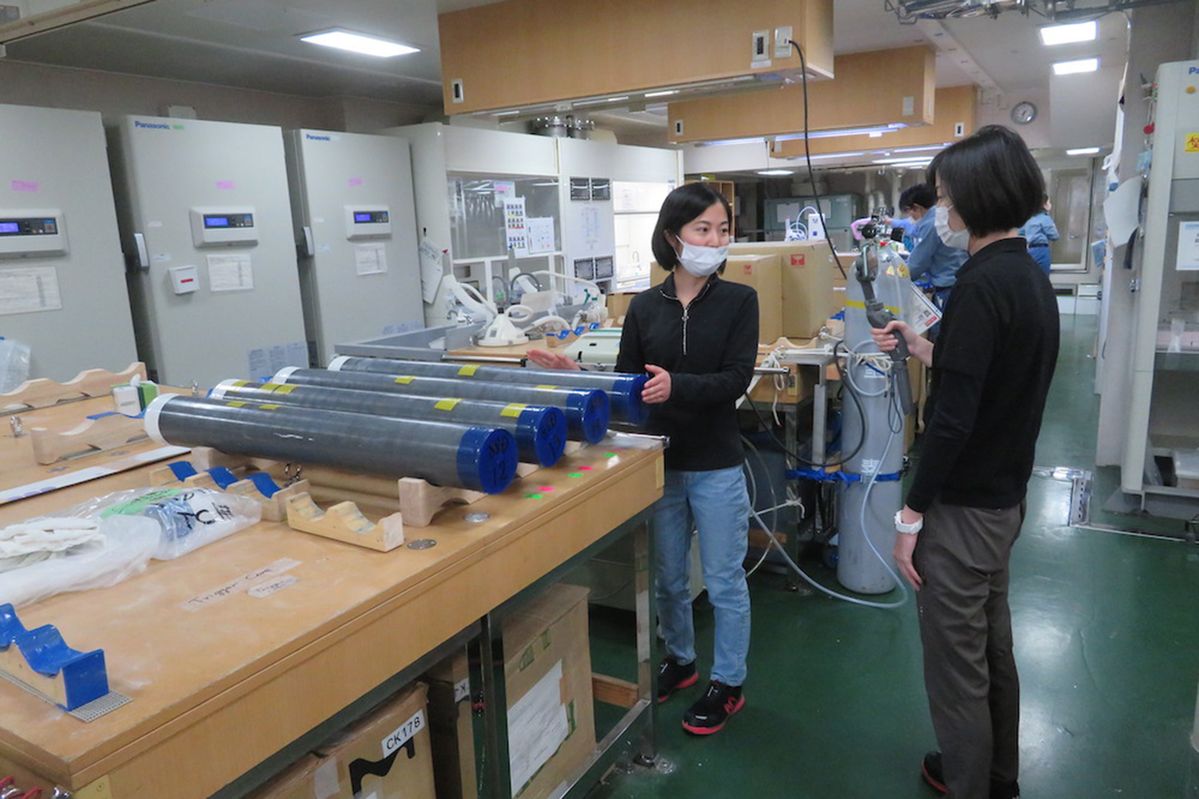
“The Graduate School of Agricultural and Life Sciences (GSALS) is home to researchers and students engaged in a wide range of research activities. We study all types of ecosystems—arable lands, forests, aquatic environments—and all components of these ecosystems, including plants, animals, and microorganisms. Of particular research interest are the plants, animals, and microorganisms that serve as valuable biological resources. Research methods are diverse, and the scope of our research ranges from the molecular and cellular levels to the individual organism level, as well as to the ecosystem and global levels. Research areas encompassed by GSALS also include the social sciences, namely agricultural economics and policy, with a focus on the relationship between human beings, living organisms, and the environment. While scientific pursuits will undoubtedly continue to enrich the body of knowledge, the outcomes of our research efforts will also directly contribute to the betterment and prosperity of humanity. It is the mission of GSALS to contribute to a sustainable society through research in the fields of food, biological resources, the environment, and life sciences.”
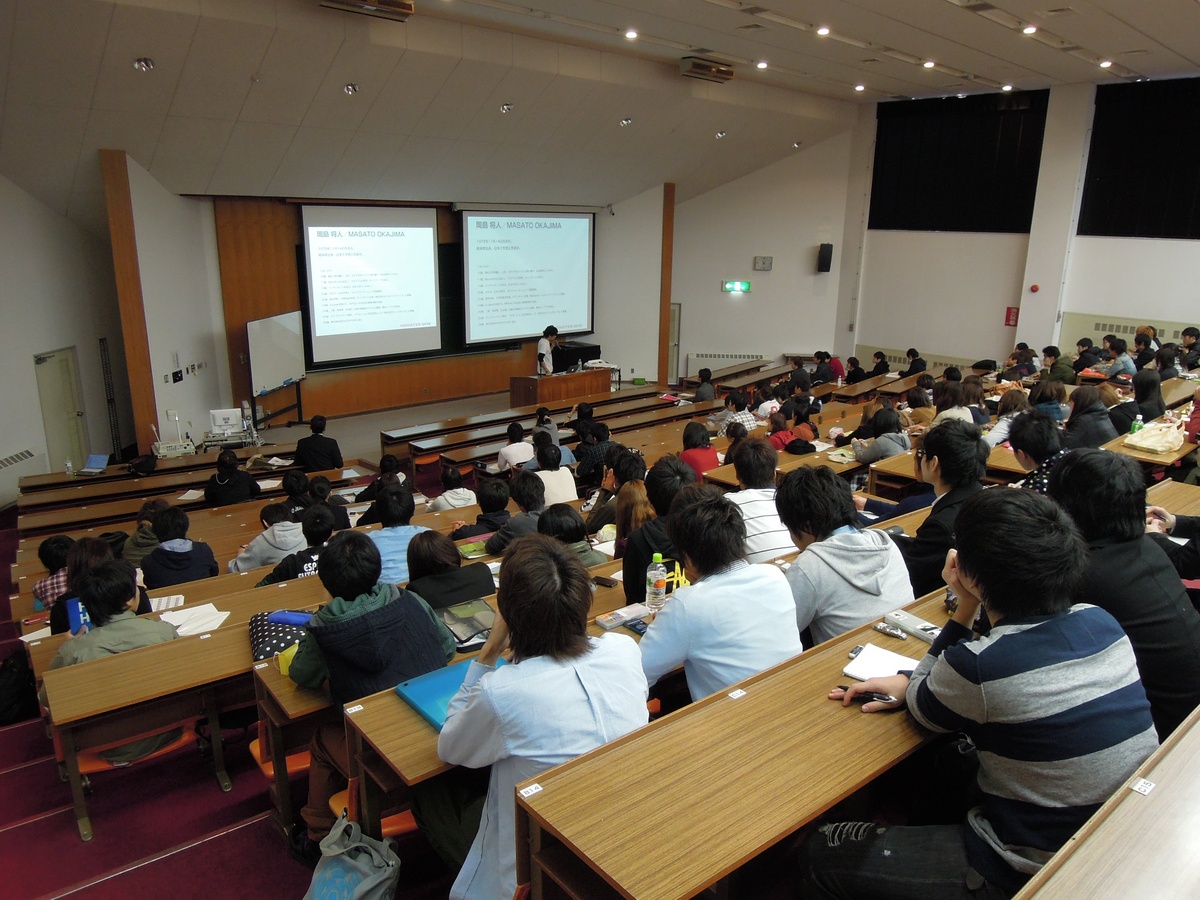
“The Graduate School of Arts and Sciences on the Komaba Campus is a comprehensive graduate school pioneering new fields of research in areas ranging from basic science to human security. Among its goals is the deepening and enhancement of education in the Faculty of Arts and Sciences through the development of innovative teaching models across the humanities, social sciences, and natural sciences. Since its establishment in 1983, the School has based its education and research programs on an interdisciplinary and global approach aimed at fostering not only specialized researchers but also professionals who can contribute meaningfully to the real world through their advanced knowledge. The Graduate School of Arts and Sciences consists of one science department (Multidisciplinary Sciences) and four departments in the humanities and social sciences (Language and Information Sciences, Interdisciplinary Cultural Studies, Area Studies, and Advanced Social and International Studies). Multidisciplinary Sciences is further divided into three sub-departments: Basic Science, Life Sciences, and General Systems Studies, covering areas ranging from quarks to intelligent materials, DNA to human beings, and artificial systems to the universe.”

“The Graduate School of Economics plays a major role in economics education and research, training researchers capable of working in international and cutting-edge academic research fields. The School has produced numerous distinguished economists, economic experts, and key professionals in academia, business, and politics. It consists of two divisions: the Division of Economics and the Division of Management. The Division of Economics includes four departments: Economics, Statistics, Area Studies, and Economic History. Meanwhile, the Division of Management includes the Departments of Management and Quantitative Finance. These departments provide students with advanced and specialized education. To promote positive interaction between theoretical investigation and empirical application, as well as between contemporary studies and historical perspectives, the School offers a wide array of courses ranging from Advanced Microeconomics to the Economic Analysis of the WTO, and from Internet and Market Science to Asian Economic History. Each department maintains an open structure, allowing students to design an optimal combination of diverse courses.”
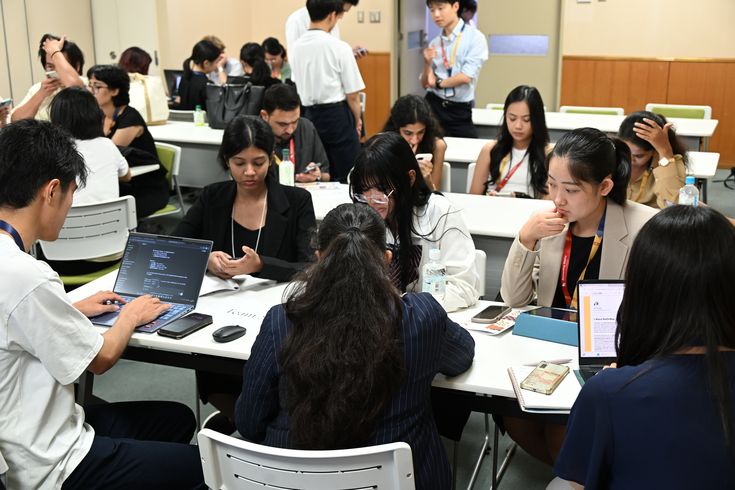
“The Graduate School of Engineering comprises 18 departments covering principal engineering technologies across a broad range of fields. The objective of graduate education is to enable students to acquire advanced engineering knowledge and research capabilities. In particular, the Doctoral program emphasizes autonomous research and development, while also fostering leadership skills. The structure of graduate education varies by department; however, specialized field development has become increasingly important in the Master’s program. Research at the Graduate School of Engineering is not limited to traditional ‘hard’ sciences centered on experimentation. The diversity of research fields continues to expand, including studies in information technology, artificial intelligence, and CAD/CAM; environmental science, disaster prevention, energy, and urban social systems; as well as interdisciplinary fields such as life sciences and medicine with a focus on human-centered research. Research is conducted in close cooperation with other engineering disciplines, leading to the pioneering and application of innovative fields. In recent years, society’s heightened concern for environmental issues has been increasingly reflected in research priorities, with social and environmental challenges emphasized across all engineering disciplines.”

“This Graduate School comprises five departments: Physics, Astronomy, Earth and Planetary Science, Chemistry, and Biological Sciences. In addition, the School includes several affiliated centers and research institutions, such as the botanical gardens at Koishikawa and Nikko, the Misaki Marine Biological Station, the Research Center for Spectrochemistry, the Geochemical Research Center, the Institute of Astronomy, the Center for Nuclear Study, the Research Center for the Early Universe, the Center for Attosecond Laser Science, the Molecular Genetics Research Laboratory, the Institute for Photon Science and Technology, the Universal Biology Institute, the UTokyo Organization for Planetary Space Science, and the Institute for Physics of Intelligence. Each program benefits from the cooperation of teaching staff within and outside the School, as well as faculty affiliated with research institutions, covering an extensive range of specialized fields. World-class research and graduate education are conducted across all programs. Education and research at the Graduate School of Science consistently aim to create and advance knowledge for a fundamental understanding of the natural world and to ensure its transmission to future generations. Instruction in the concepts and methodologies of the physical sciences is provided to students who will lead the next generation, developing cosmopolitan individuals with abundant creativity and equipped with the knowledge and tools to solve yet unknown problems.”

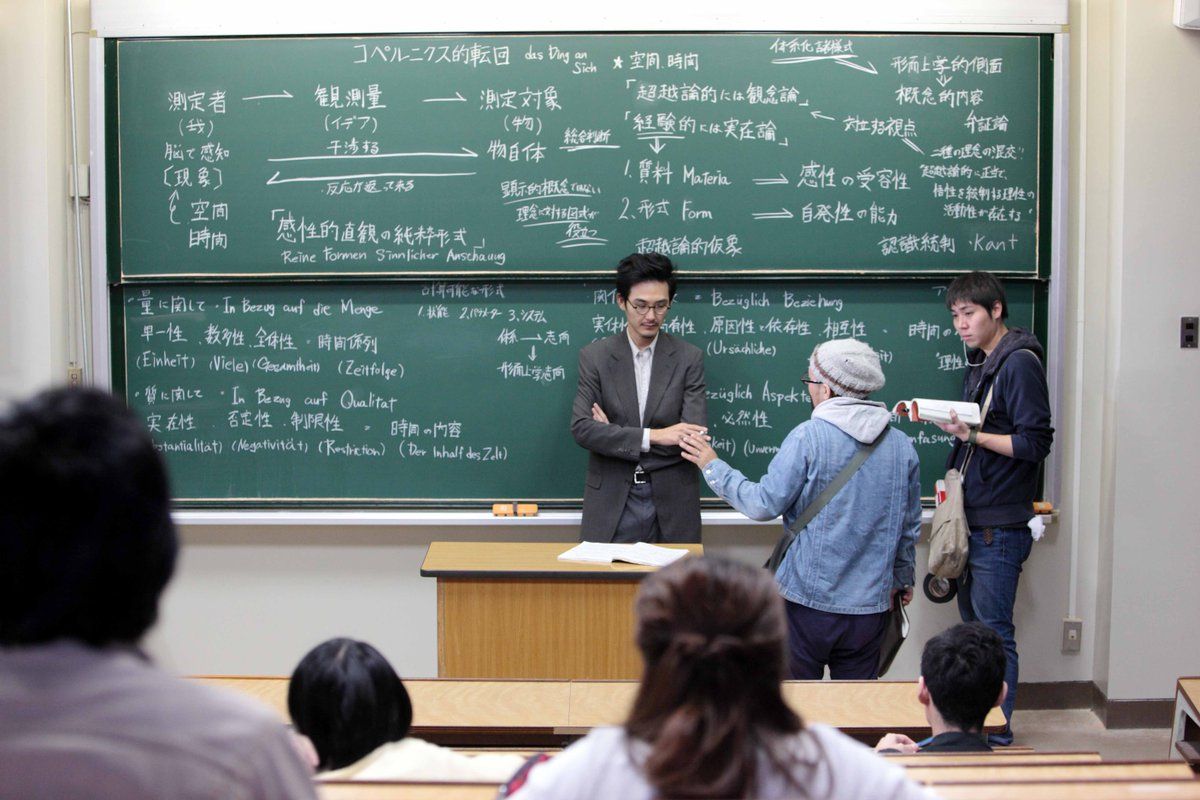
“The School as a whole seeks to provide students with a high level of cultural versatility and the ability to formulate and express new ideas. Through teaching and research, it cultivates talented individuals who will contribute to the advancement of human culture by striving to understand thought, history, language, and society. To achieve this goal, the School seeks to attract students who can develop logical arguments on issues related to thought, history, language, and society from unique perspectives, acquire advanced language skills aligned with their interests, and conduct rigorous and systematic research. The Graduate School of Humanities was established as part of the University of Tokyo in 1953, while the Graduate School of Sociology was founded ten years later. The two Schools merged in 1995 to form the present Graduate School of Humanities and Sociology. The Graduate School comprises seven divisions, each offering courses subdivided into specialized fields.”

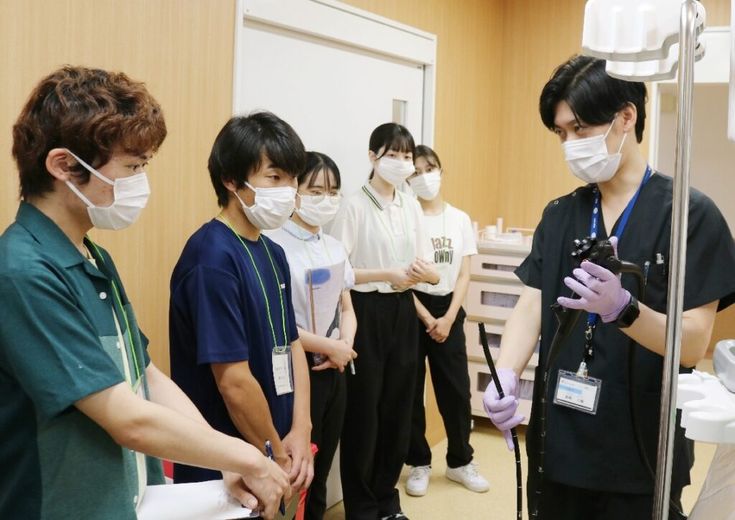
“The Graduate School of Medicine promotes and conducts leading-edge research in life and health sciences, medicine, and nursing. Its research and education programs encompass all areas of medicine and produce graduates who assume roles as international leaders characterized by creativity and high ethical standards. The thirteen departments offer doctoral programs in medicine and health sciences, a master’s degree program, and a professional degree program.”
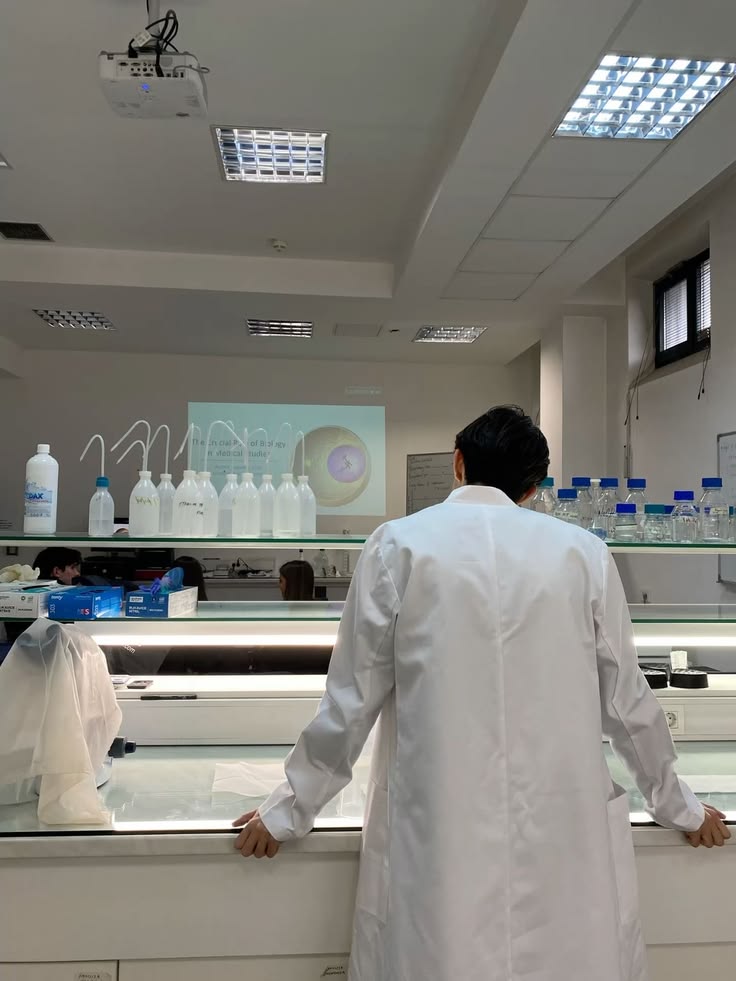
“Pharmaceutical Sciences is an academic field that encompasses the development of pharmaceuticals and their applications. The field covers fundamental life-related substances and their interactions within living systems. The mission of the Graduate School of Pharmaceutical Sciences at the University of Tokyo is to achieve the highest standards in academic research while training and educating future leaders who will contribute to the advancement of pharmaceutical sciences and basic life sciences. The School also prepares leaders for roles in medical administration and pharmacists capable of playing active roles in highly advanced medical care.”
Please Note: The University of Tokyo requires undergraduate applicants to prepare for the Basic Entrance Examination. The questions on the University of Tokyo entrance examination are not necessarily difficult; students who have studied diligently in high school should be able to tackle any question using their existing knowledge and skills. To select the most suitable students, the University’s undergraduate entrance examination is guided by the three basic policies outlined below.
- First, the content of the entrance examination questions is specifically designed to be at a level manageable for those who have completed a high school education.
- Second, students are expected to be well prepared for the University’s liberal arts education upon enrollment. Accordingly, the University places high value on students who have studied a broad range of subjects across both the humanities and sciences and who possess global perspectives and foreign language communication skills. Humanities students are required to have basic knowledge and competency in the sciences, while science students are expected to have basic knowledge and competency in the humanities. Furthermore, all students, regardless of their field, must demonstrate fundamental proficiency in one or more foreign languages.
- Third, the University emphasizes the importance of problem-solving ability through the application and integration of existing knowledge rather than rote memorization.
The University expects all prospective applicants to keep the above points in mind and to learn as deeply as possible throughout their primary and secondary education.
As the majority of courses in traditional undergraduate programs are taught in Japanese, a high level of proficiency in Japanese is required upon enrollment.